
During ovulation, women may experience ovulation pain or ‘mittelschmerz’, which is characterised by dull pains and cramps. Added symptoms may also include light bleeding and/or vaginal and cervical discharges. Taking some time off and some simple medications is usually prescribed. Such treatment should work, but if not, the problem may require further evaluation and prescriptions like birth control medications to relieve the symptoms.
What Is Ovulation Pain? (Mittelschmerz Explained)
Ovulation pain is associated with discomfort located on the skin covering the ovaries. It occurs in the middle of the menstrual cycle and is associated with the formation of an ovarian follicle or ‘middle follicle’. It usually is a dull to a sharp ache or strong cramps, and is usually associated with mid-cycle bleeding. Most women state they feel it as they start their periods, except, in this case, it is a bi-monthly event. You can ‘hear’ these cramps in either lower abdomen. In which case, the person is ovulating from that ovary.
Where is it that ovulation Pain is felt?
Ovulation pain is usually felt in the abdomen area or in the pelvis where the ovaries are positioned. The pain is usually on the side of the body where the ovulation is coming from. So, in the case of the right ovary producing an ovum, the pain would be on the right side of the abdomen. Ovulation cramping pain can occur on either side of the body in irregular months, as both ovaries take turns in ovulating.
How does ovulation pain differ from person to person in its strength?
Based on estimations, ovulation pain impacts almost 40% of those who ovulate. The degree ranges from mild pain for some, while others may suffer from severe cramping. The phenomenon is known as mittelschmerz. The people in the age group of 15 to 25 are the most affected, although any person in their reproductive years can experience it.
Common Symptoms and Signs
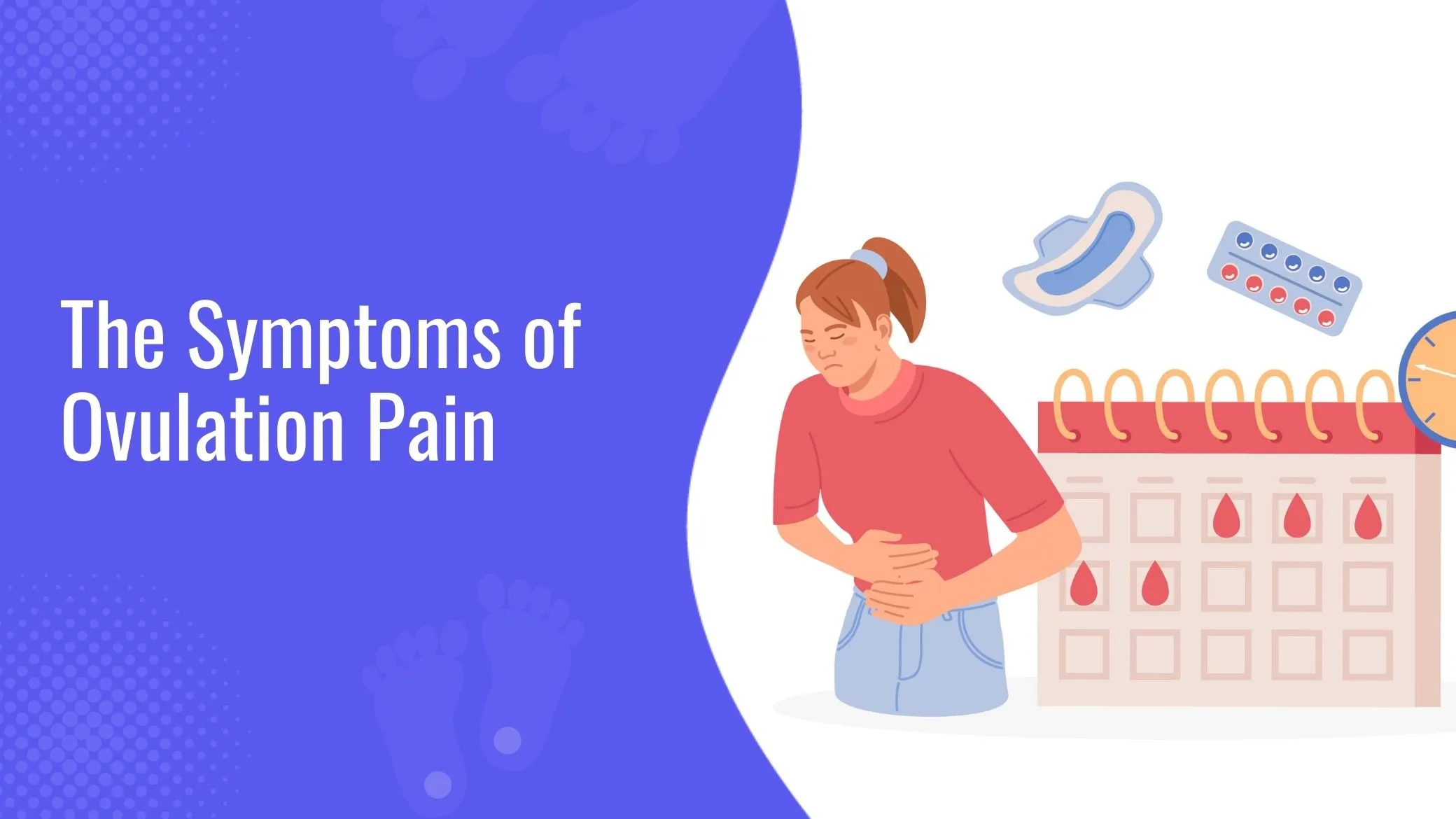
The ovulation pain symptoms can differ for different people. Some people may experience no discomfort, while others may experience real pain. The pain can reside in the lower abdomen in the region of the ovary that is releasing an egg and can vary from slight twinges to painful cramps. Pain is usually associated with the middle of the menstrual cycle on the 14th day of a 28-day cycle. However, it may vary with cycle length and how regular the cycle is.
In addition to the cramping, other symptoms of ovulation that often occur with ovulation pain include the following:
1. Nausea during ovulation
Several individuals experience excruciating discomfort during ovulation. In severe cases and prolonged episodes, it can cause nausea.
2. Lower back pain
While ovulating, many individuals also experience pain in the lower back, which, alongside the pain in the pelvis and the cramping accompanying the release of the egg, becomes a painful experience.
3. Fatigue during ovulation
There are women who feel increased fatigue during ovulation, which could now easily be explained by the energy-sapping levels of the hormones in one’s body.
4. Ovulation headaches
Another discomfort added is the migraines, or headaches, of ovulation, which can also be attributed to the hormonal imbalance during this sensitive time.
5. Ovulation headaches
Another discomfort added is the migraines, or headaches, of ovulation, which can also be attributed to the hormonal imbalance during this sensitive time.
6. Sore breasts after ovulation
The slight tenderness or fullness in the breasts after ovulation can be attributed to the hormonal changes that occur during this time, as it has become a popular myth to claim.
7. Sore breast after ovulation
The changes in hormones after ovulation can also be the cause of tenderness in breasts, considered to be mild or the sensation of heaviness.
8. Mood swings and emotional changes
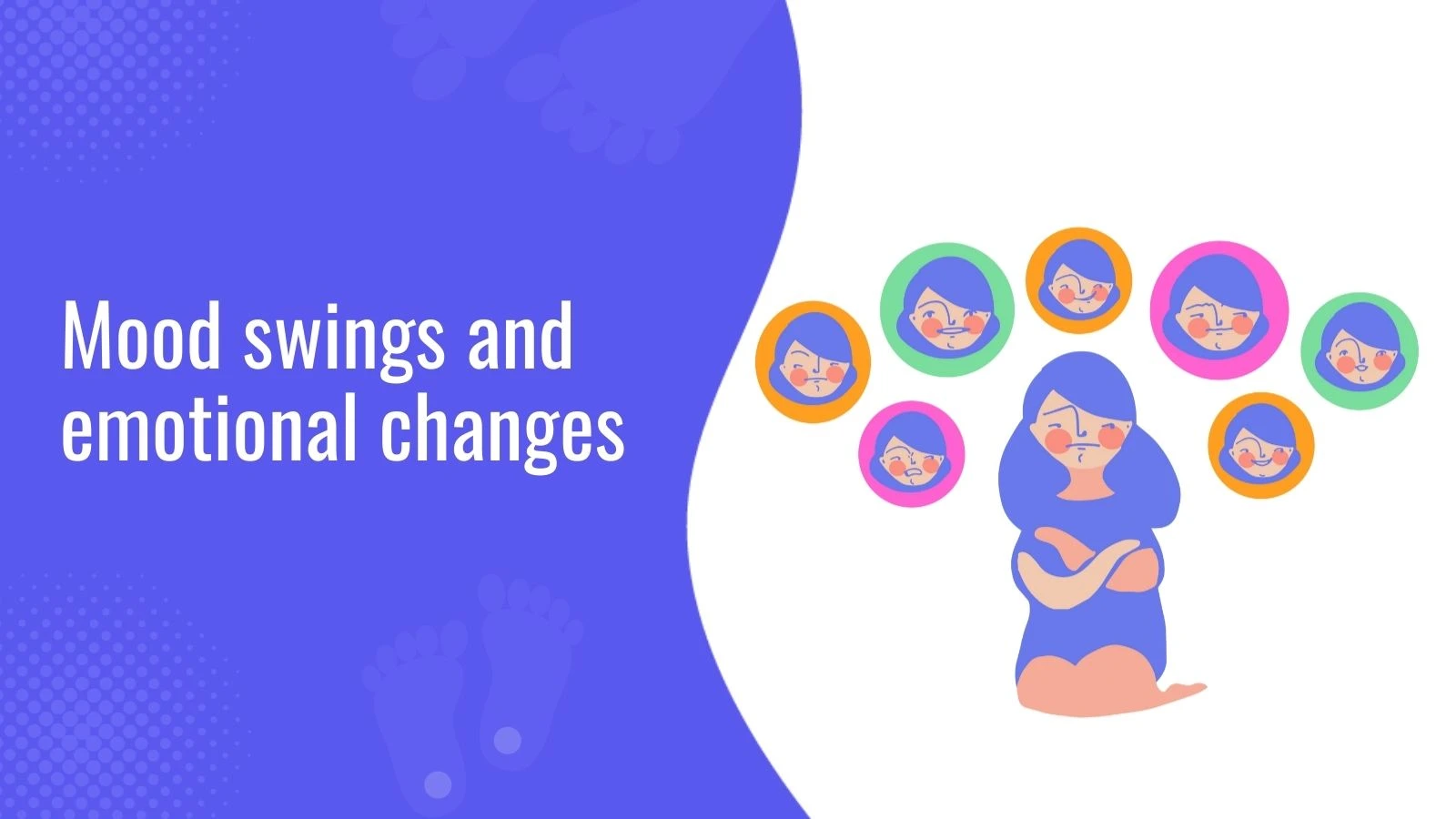
Feeling emotional during ovulation is a characteristic change that people are more sensitive to, experiencing increased or decreased irritability, or considering themselves moody.
9. Dysmenohea during ovulation
The discomfort that is felt in the abdomen during menstruation is considered to be Dysmenohea, and it can also be experienced by numerous other individuals. Along with this, a feeling of heaviness in the stomach is also felt, especially Peto-Dysmenohea, which becomes even more painful.
During the ovulation period, the appearance of symptoms as such is often not alarming and, indeed, part of the ovulation cycle, and, if the symptoms are extreme or if there are any added symptoms like persistent pain, consulting a medical professional at that time is prudent.
How long does ovulation pain last?
Ovulation pain is quite a personal and subjective experience. For the majority, the pain period lasts from a few hours to a couple of days. So too is the pain in a group of persons, also in varying degrees: some experience pain for much longer, whilst some only experience a slight ache. In any of the situations, if the pain is more than a couple of days and at the same time severe, ovulation pain should be evaluated the cause by a medical professional.
What other conditions might be mistaken for ovulation pain?
Ovulation might be without any symptoms or may be accompanied by ovulation pain. Pain that is accompanied by other symptoms is most of the time misconstrued as other conditions, like ovarian cysts, endometriosis, pelvic inflammatory disease or even ectopic pregnancy. These discrepancies are important to keep in mind. Ovulation pain should also be recognised as normal pain that can accompany the conditions outlined above. If there are severe cramps and any of the other conditions, like heavy bleeding during ovulation or severe nausea before ovulation, are present, a medical professional should be consulted.
What causes ovulation pain?
Pain during ovulation occurs when the ovary releases the ovum. Due to the rupture of the follicle, the consociational limb of the fallopian tube may get shifted, and along with that, some surrounding tissues get inflamed and also become painful. It accompanies the ovulation discharge and the ovulation spotting, which may also be the reason for pain. Some other people ovulate and feel abdominal pain, which may also be the reason of hormone; it is mainly due to the hasty hormonal movements, which may lead to breast fullness or non-buoyant ovary cysts and other such phenomena.
Is Ovulation Pain the Same as Period Pain?
Both ovulation pain and period pain have some traits in common, but each happens during different phases in the cycle. Period pain, which is also referred to as menstrual cramps, takes place at the time of a woman’s monthly menstruation. Ovulation pain, on the other hand, happens roughly 2 weeks before the period is due. Although the two pains can feel alike, in the sense that they are both sharp and cramping, the period of time in which they are experienced is the most crucial difference.
Quick Relief Methods for Ovulation Pain
Many women go through ovulation pain, and it is a form of pain that is usually mild. Over-the-counter medication, such as ibuprofen, can be taken. Along with medication, rest is also needed. So, spending some time with a heating pad on the lower abdomen and covering yourself with a blanket can ease pain during rest, especially post-bathing.
Over-the-counter medications for bloating and painful ovulation are considered first-line treatments. Over-the-counter pain medication such as Midol, Ibuprofen, and Naproxen is considered the first-line treatment. The pain medication targets the discomfort and assists with relaxing the muscle spasms and bloating. The pain is usually the worse at the time of ovulation. The pain usually resolves within one – two hours of the ovulation and is very manageable.
The symptoms are usually worse for one ovulatory cycle, and then they tend to lessen over time. The pain associated with ovulation usually self-resolves, and if the pain does not respond to the alternative treatment, then an alternate medication can be initiated, which is often stronger. The stronger medication works faster and can be oral or by intramuscular injection.
The pain associated with the left or right ovary is usually mild and doesn’t interfere with daily activities. The pain is manageable and goes away within an hour or two. Pain medication can be initiated as needed. The symptoms tend to be worse for one month following the period, and then they lessen over time during the cycle.
The pain associated with ovulation can be tracked to understand your cycle better and assist with managing the pain.
Finding an estimate of the pain points during the cycle of ovulation, along with its intervals, locations, and intensities, can be done using an ovulation calculator. You can learn a lot from the presence of other symptoms like ovulation, migraine, or post-ovulation tender nipples, and whether the pain occurs on one or both sides. Otherwise, ovulation calculators can also be helpful for planning purposes.
Diagnosis and Tests

Self-care may be sufficient for mild cases of ovulation pain, but if it is so severe that it becomes debilitating, you may need the help of an expert.
How is Ovulation Pain Diagnosed?
To determine the alignment of pain with the menstrual cycle, your doctor may ask you to calculate the days in the cycle you had the most pain. In severe cases, they may even require an ultrasound to determine if other conditions exist that need to be treated.
What Tests Are Needed?
In case there is an underlying cause that your doctor will want to rule out, an abdominal ultrasound or a transvaginal ultrasound will help to identify whether there are cysts on the ovaries, pelvic inflammatory disease, or you have endometriosis. All of these conditions can mimic the pain associated with ovulation.
When to See a Doctor?
Suppose the pain is very intense or lasts longer than expected. In that case, it might warrant a discussion with a medical professional, especially if it becomes associated with new symptoms such as excessive bleeding or pre-ovulation vomiting. If ovulation-associated symptoms, such as mood swings or an ovulation headache, affect your day-to-day functioning, it might also require a medical referral.
How to Handle Severe Pain
Any new intense abdominal pain that seems to come out of nowhere, especially if no pain relief excuses accompany it, is reason enough to seek medical attention, as is с nausea at ovulation accompanied by fever or vomiting; these in particular might suggest something as serious as an appendix or an ectopic pregnancy.
Outlook and Prognosis
The vast majority of people experience pain during ovulation as a mild and ephemeral annoyance that often goes away on its own.
How Can I Manage Ovulation Pain?
It is often the case that ovulation pain is benign and does not inhibit one’s chances of conceiving. Pain during ovulation may indeed enhance one’s awareness of the ovulatory period, which is advantageous when trying to get pregnant. Most people tend to experience the pain resolving on its own without the need for any medical assistance.
How Does Ovulation Pain Affect Fertility
You will be happy to learn that ovulation pain does not hinder one’s ability to conceive a child. It’s, in fact, helpful to some people as a way of tracking ovulation. Always bear in mind also that other factors, like the stages of ovulation and discharge, matter and play a role in fertility.
Living With Ovulation Pain
The wisest course of action to learn to manage ovulation pain is to ensure that the right tools and plans are in place. With this in mind, one is able to go on and live a normal life.
Tips for Managing Symptoms and Living with Ovulation Pain
Migraine headache and ovulation pain are also said to be a type of this condition. Though this and the other types of pain can be very overwhelming to the individual, assistance is for sure available. This pain, as well, can lead to the individual losing track of their life.
Conclusion
If you have this condition, you need to learn how to manage it and how you ease the pain. It is essential for you to learn how to identify the symptoms as well as the potential causes, and also track the pain with pain relief tools. If these pain relief measures prove ineffective, a health professional should be consulted.
Frequently Asked Questions (FAQs)
1. What is ovulation pain and why does it happen?
Ovulation pain, also called mittelschmerz, occurs when an ovary releases an egg mid-cycle. It can cause dull aches, sharp cramps, or pelvic discomfort due to follicle rupture and hormonal changes.
2. Where is ovulation pain usually felt?
Ovulation pain is typically felt in the lower abdomen or pelvis, on the side of the ovary releasing the egg. It may alternate sides each cycle as ovaries take turns.
3. How long does ovulation pain last?
For most people, ovulation pain lasts a few hours to a couple of days. If pain is severe, persistent, or lasts longer than expected, medical evaluation is recommended.
4. What are the common symptoms that accompany ovulation pain?
Along with abdominal cramps, symptoms may include nausea, lower back pain, fatigue, headaches, breast tenderness, mood swings, and mild spotting.
5. How can ovulation pain be managed?
Most cases are mild and resolve on their own. Over-the-counter pain relievers, rest, heating pads, and tracking cycles with an ovulation calculator can help. Severe or unusual pain should be assessed by a doctor.