
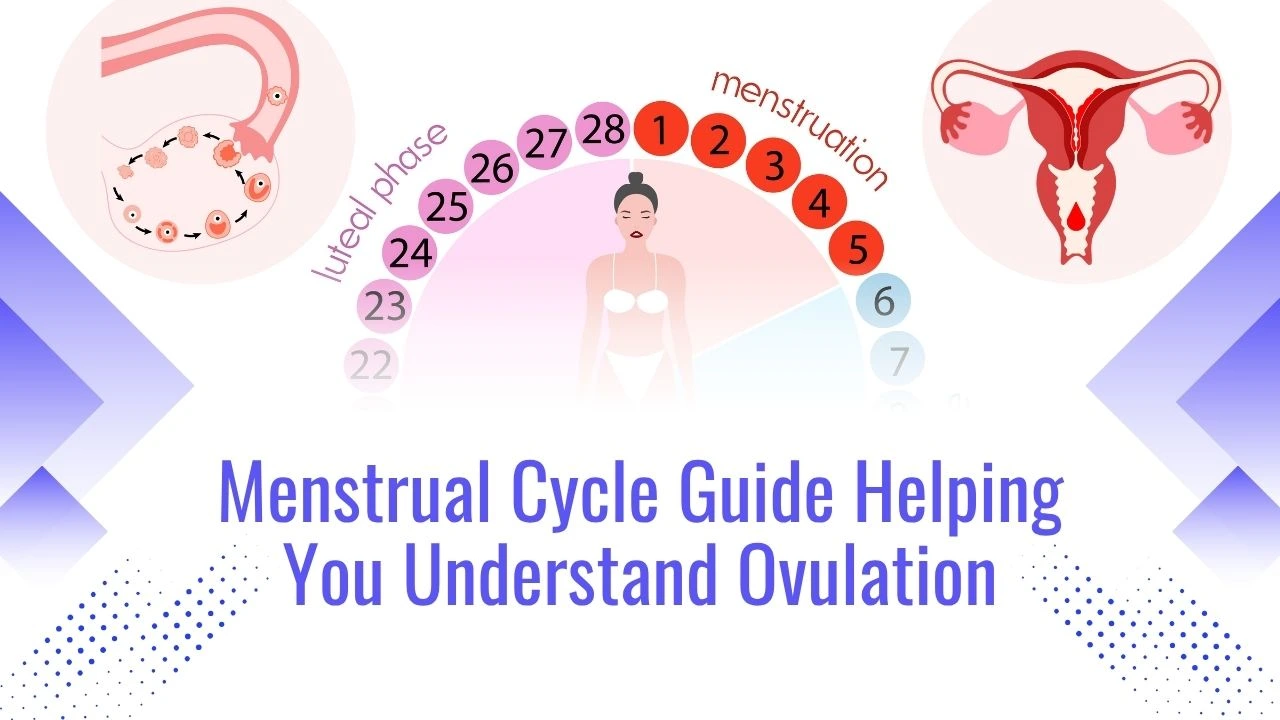
Introduction to the Phases of Ovulation
Understanding ovulation is crucial for fertility and reproductive health. Ovulation marks the release of a mature egg from the ovary, making it the key moment for conception. By tracking ovulation, women can improve their chances of getting pregnant or avoid pregnancy altogether. Additionally, recognizing ovulation helps in identifying any irregularities in the menstrual cycle, which can be important for managing fertility and overall reproductive health.
The Four Phases of the Menstrual Cycle
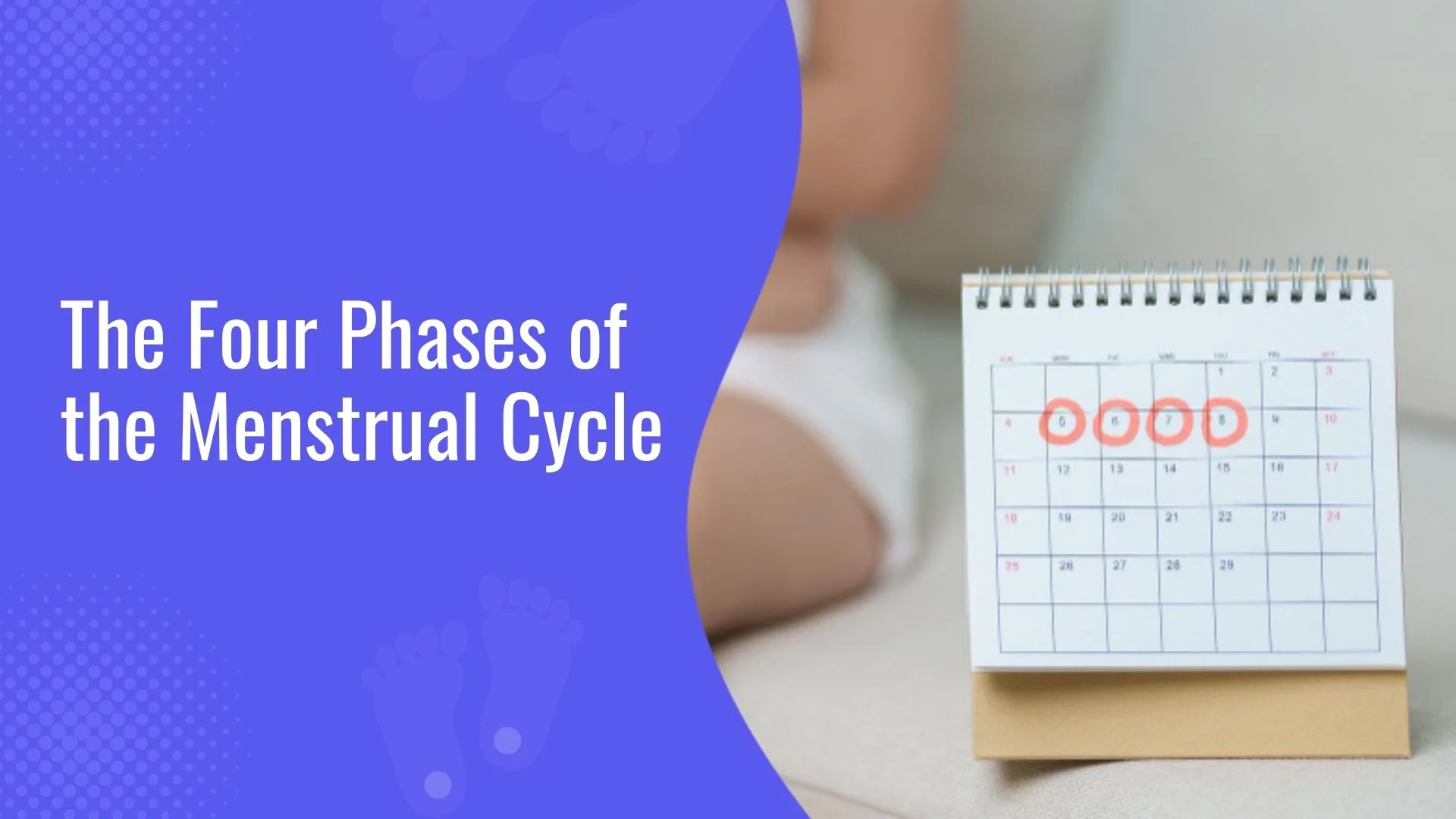
Menstruation (Days 1-5)
Menstruation is the shedding of the uterine lining and marks the start of the menstrual cycle. Hormone levels drop, and the uterine lining is expelled. Menstrual bleeding typically lasts 3 to 7 days, with a blood loss of about 10 ml to 80 ml. Cramping and fatigue are common during this phase. To better understand your menstrual cycle, you can use an Ovulation Calculator to track your fertility window and predict when ovulation occurs, helping you plan accordingly.
Follicular Phase (Days 1-13)
The follicular phase begins on the first day of menstruation and lasts until ovulation. Follicle-stimulating hormone (FSH) stimulates the ovaries to develop several follicles, with one becoming dominant. This phase also triggers the thickening of the uterine lining in preparation for possible pregnancy. Increased estrogen levels contribute to a rise in energy.
Ovulation Phase (Day 14)
Ovulation occurs mid-cycle, around day 14 of a typical 28-day cycle. The rise in estrogen triggers a surge in luteinizing hormone (LH), which releases a mature egg from the ovary. The egg travels down the fallopian tube, where fertilization can occur. This is the peak fertility period.
What Happens During Ovulation?
During ovulation, a mature egg is released from the dominant follicle and enters the fallopian tube. If sperm is present, fertilization can happen. This process is critical for conception.
Signs and Symptoms of Ovulation
Common signs of ovulation include clear, stretchy cervical mucus, mild cramping, and a slight rise in body temperature. Women may also experience increased libido during this phase due to hormonal changes.
Luteal Phase (Days 15-28)
The luteal phase starts after ovulation and lasts until the next period begins. After releasing the egg, the follicle transforms into the corpus luteum, which produces progesterone. This hormone helps maintain the uterine lining for potential pregnancy. If fertilization doesn’t occur, progesterone levels drop, and menstruation begins.
What Happens During Ovulation?
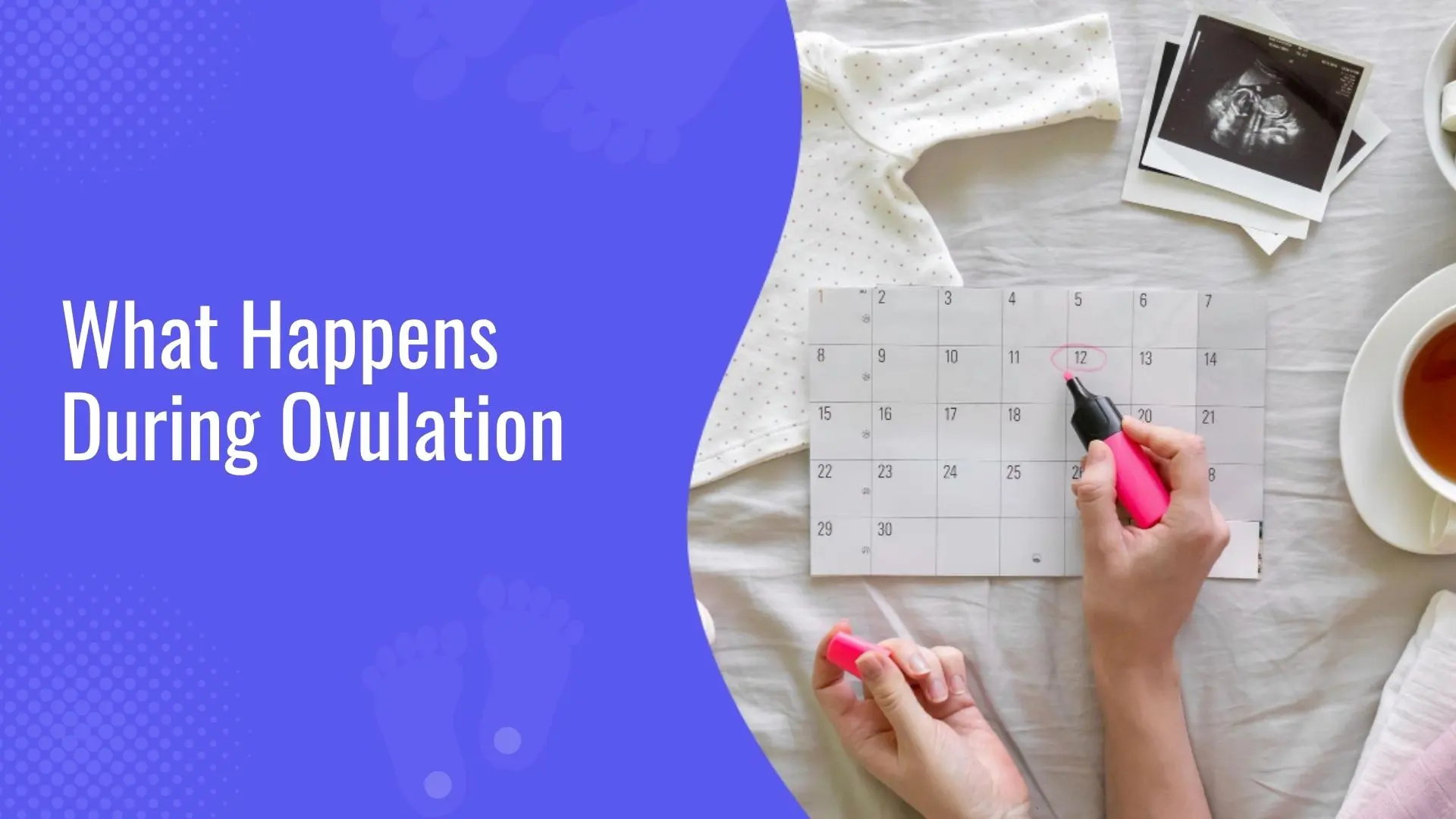
Ovulation Process Explained
Ovulation is when a mature egg is released from the ovary and enters the fallopian tube. This release is triggered by a surge in LH, usually around the middle of the menstrual cycle. Ovulation is the only time during the cycle when a woman can conceive.
Hormonal Changes During Ovulation
During ovulation, estrogen peaks, causing the LH surge that triggers the egg release. The progesterone levels remain low at this point. After ovulation, progesterone rises to support potential pregnancy.
The Role of Ovulation in Fertility
Ovulation is the most fertile time of the cycle. The egg is viable for about 12 to 24 hours, while sperm can live up to five days. Therefore, the days leading up to and including ovulation are the most fertile.
Supporting Your Body During Ovulation
Nutrition Tips for Ovulation
To support ovulation, focus on a balanced diet rich in vitamins and minerals. Foods like leafy greens, whole grains, and healthy fats can improve reproductive health and support hormonal balance.
How Lifestyle Impacts Ovulation
Maintaining a healthy lifestyle, including managing stress and getting enough sleep, can positively influence ovulation. Stress and poor lifestyle choices can delay or inhibit ovulation.
Exercise and Ovulation: What You Need to Know
Regular moderate exercise helps maintain hormonal balance and supports healthy ovulation. However, excessive exercise can disrupt ovulation, so finding a balance is key.
Ovulation and Pregnancy
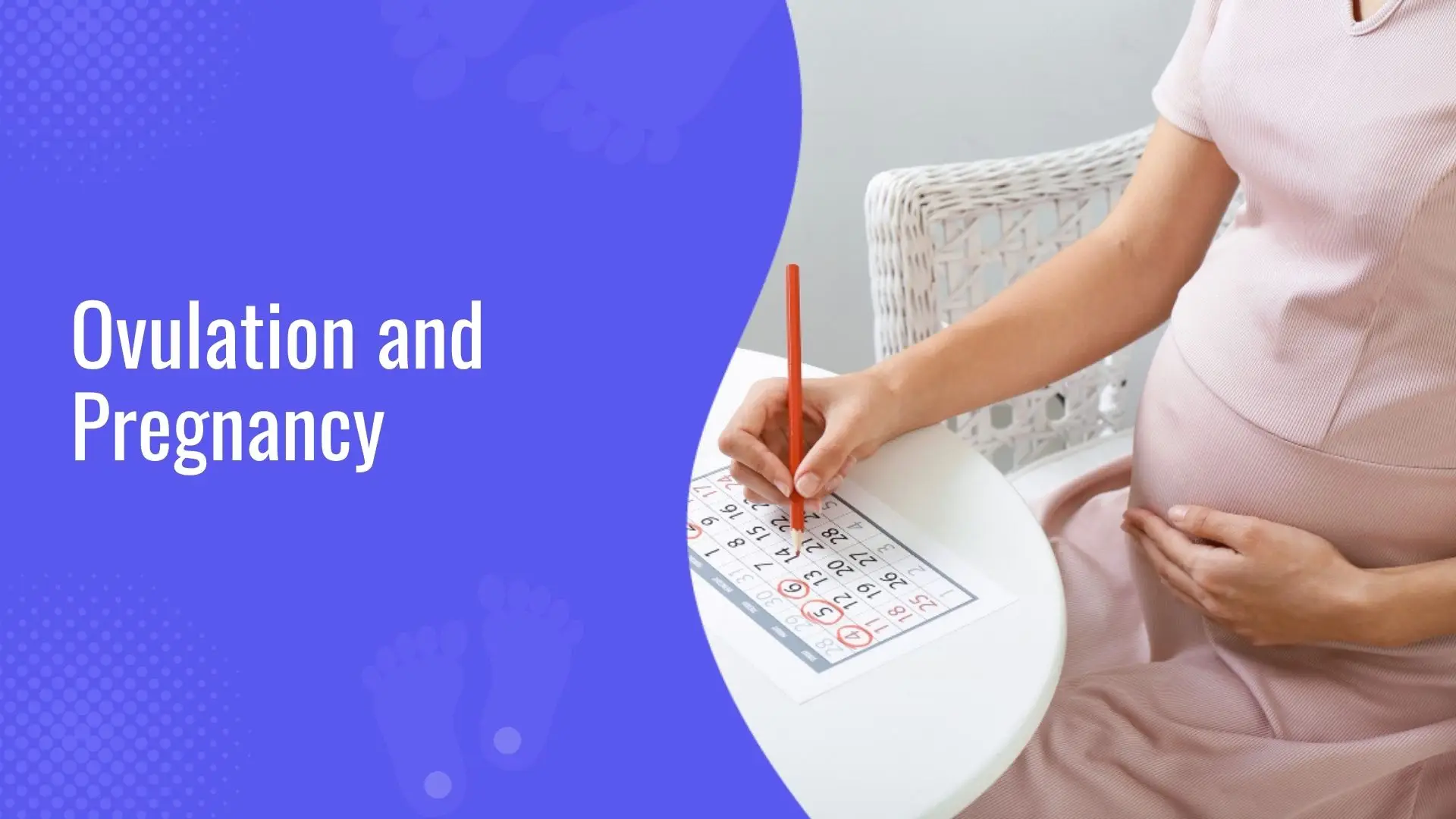
How Ovulation Relates to Pregnancy
Pregnancy occurs when the egg released during ovulation is fertilized by sperm and implants into the uterine lining. This can only happen during the ovulation phase when a mature egg is present.
Ovulation and Conception: A Step-by-Step Guide
To conceive, sperm must meet the egg during ovulation or shortly after. Tracking ovulation can help determine the most fertile window for conception. Ovulation predictor kits, charting basal body temperature, and monitoring cervical mucus are effective methods for timing intercourse.
Common Issues Related to Ovulation
Irregular Ovulation and Its Causes
Irregular ovulation can be caused by hormonal imbalances, stress, or underlying health conditions. It can lead to longer or shorter cycles and difficulty conceiving.
Hormonal Imbalances and Ovulation Disorders
Conditions like PCOS, thyroid disorders, and excessive stress can lead to irregular or absent ovulation. These hormonal imbalances can affect fertility and overall reproductive health.
Conditions that Affect Ovulation (PCOS, Endometriosis, etc.)
Polycystic ovary syndrome (PCOS), endometriosis, and uterine fibroids can all interfere with normal ovulation. These conditions can cause irregular cycles, heavy bleeding, or painful periods.
Tracking Your Ovulation Cycle
Methods for Tracking Ovulation
Common methods for tracking ovulation include basal body temperature charting, cervical mucus monitoring, and using ovulation predictor kits. These tools can help predict the best time for conception.
Benefits of Tracking Ovulation for Health and Fertility
Tracking ovulation helps with fertility planning and managing menstrual cycle irregularities. It can also provide insights into hormonal health and help detect issues early.
Best Ovulation Tracking Tools and Apps
There are several apps available to track ovulation, such as Ovia, Glow, and Clue. These apps help monitor cycle patterns and predict ovulation days, making it easier to plan for pregnancy or avoid it.
Conclusion
Key Takeaways from Understanding Ovulation
Ovulation is the most fertile phase of the menstrual cycle. Understanding this phase and tracking your cycle can significantly improve your chances of conception. It also helps in managing reproductive health and identifying any cycle irregularities.
Final Thoughts on Managing and Supporting Ovulation for Optimal Health
Support ovulation with a healthy diet, regular exercise, and stress management. If you experience irregular cycles or difficulties with conception, consulting a healthcare provider can help address any underlying issues
Frequently Asked Questions
1. What are the four phases of the menstrual cycle?
The menstrual cycle consists of four phases:
Menstrual Phase: The shedding of the uterine lining (days 1-5).
Follicular Phase: The maturing of eggs in the ovaries (days 1-13).
Ovulation Phase: The release of a mature egg from the ovary (around day 14).
Luteal Phase: The preparation of the uterus for pregnancy (days 15-28).
2. What happens during the menstrual phase?
The menstrual phase is when the uterus sheds its lining, and menstruation occurs. This phase is marked by bleeding, which typically lasts 3 to 7 days. Hormone levels drop, triggering the shedding of blood, mucus, and uterine tissue.
3. How long does the follicular phase last?
The follicular phase lasts from the first day of menstruation until ovulation, typically spanning 10 to 17 days. This phase involves follicle development in the ovaries and the thickening of the uterine lining in preparation for pregnancy.
4. What are the signs of ovulation?
Common signs of ovulation include:
Increased cervical mucus (clear and stretchy, resembling egg whites).
A slight increase in basal body temperature.
Mild cramping or bloating.
A peak in libido due to hormonal changes.
5. How does ovulation affect fertility?
Ovulation is the only time during the menstrual cycle when a woman can become pregnant. The egg released from the ovary is viable for up to 24 hours, and sperm can survive for up to 5 days, making the days leading up to and including ovulation the most fertile time.
6. What hormones are involved in the menstrual cycle?
The key hormones involved are:
FSH (Follicle-Stimulating Hormone): Stimulates follicle growth.
LH (Luteinizing Hormone): Triggers ovulation.
Estrogen: Thickens the uterine lining and supports follicle development.
Progesterone: Maintains the uterine lining after ovulation.
hCG (Human Chorionic Gonadotropin): Secreted during pregnancy to support the corpus luteum.
7. How can I track my ovulation?
You can track ovulation by monitoring:
Basal body temperature (BBT): A slight rise in temperature after ovulation.
Cervical mucus: Changes in consistency, becoming clear and stretchy.
Ovulation predictor kits (OPKs): These detect LH surges.
Symptom tracking: Paying attention to signs like mild cramping or increased libido.
8. What is the luteal phase, and how does it affect pregnancy?
The luteal phase occurs after ovulation and lasts about 14 days. During this phase, the corpus luteum secretes progesterone to maintain the uterine lining. If the egg is fertilized, progesterone continues to support the pregnancy. If not, progesterone levels drop, leading to menstruation.
9. What is the fertile window during the menstrual cycle?
The fertile window is the 6-day period during each cycle when pregnancy can occur. This window includes the 5 days leading up to ovulation and the day of ovulation itself. Sperm can live up to 5 days, and the egg remains viable for 12 to 24 hours.
10. What conditions can affect ovulation?
Conditions that can affect ovulation include:
PCOS (Polycystic Ovary Syndrome): Can lead to irregular or absent ovulation.
Endometriosis: Can cause painful periods and interfere with ovulation.
Uterine fibroids: Non-cancerous growths that can affect menstrual flow and fertility.
Stress: Can delay or disrupt ovulation.
Eating disorders: Can cause irregular cycles or stop menstruation.