
Many women assume that missing a period means they’re not ovulating. However, the relationship between ovulation and menstruation is more complex than most people realize. The surprising truth is that yes, you can ovulate without a period, and understanding this phenomenon is crucial for anyone trying to conceive or manage their reproductive health.
Can you ovulate without a period? This is one of the most common questions women ask when experiencing irregular cycles or absent menstruation. The answer is important whether you’re trying to conceive, avoiding pregnancy, or simply trying to understand your body better.
In this comprehensive guide, we’ll explore the science behind how you can ovulate without a period, common causes, tracking methods, and when to seek medical advice.
Understanding Ovulation and the Menstrual Cycle
What is Ovulation?
Ovulation is the process by which a mature egg is released from one of your ovaries. This typically occurs around the middle of your menstrual cycle, approximately 12 to 16 days before your next period begins. Once released, the egg survives for only 12 to 24 hours, making timing critical for conception.
The Normal Menstrual Cycle
A typical menstrual cycle lasts 28 days, though anywhere between 21 and 35 days is considered normal. The cycle consists of four phases:
- Menstruation: The shedding of the uterine lining
- Follicular Phase: The body prepares an egg for release
- Ovulation: The mature egg is released from the ovary
- Luteal Phase: The uterus prepares for a potential pregnancy
The Hormonal Connection
After ovulation, your ovary releases progesterone, which prepares the uterine lining (endometrium) for a potential pregnancy. If fertilization doesn’t occur, progesterone levels drop, triggering menstruation. This is why ovulation and periods are typically linked, but not always.
Can You Really Ovulate Without Having a Period?
The Short Answer: Yes
Research shows that approximately 3-4% of women experience ovulation while having absent or irregular periods, a condition known as amenorrhea. This phenomenon, sometimes called “silent ovulation,” occurs when your body releases an egg but menstruation doesn’t follow the typical pattern.
How Is This Possible?
Several factors can cause ovulation without menstruation:
- Uterine scarring (Asherman’s syndrome): Scar tissue from procedures like dilation and curettage (D&C) or C-sections can block the cervix or prevent the normal thickening of the uterine lining
- Hormonal imbalances: Disruptions in estrogen, progesterone, or other reproductive hormones
- Pregnancy: You may ovulate before your first postpartum period returns
- Certain medications: Hormonal birth control and other drugs can affect menstrual patterns
Common Causes of Ovulation Without Periods
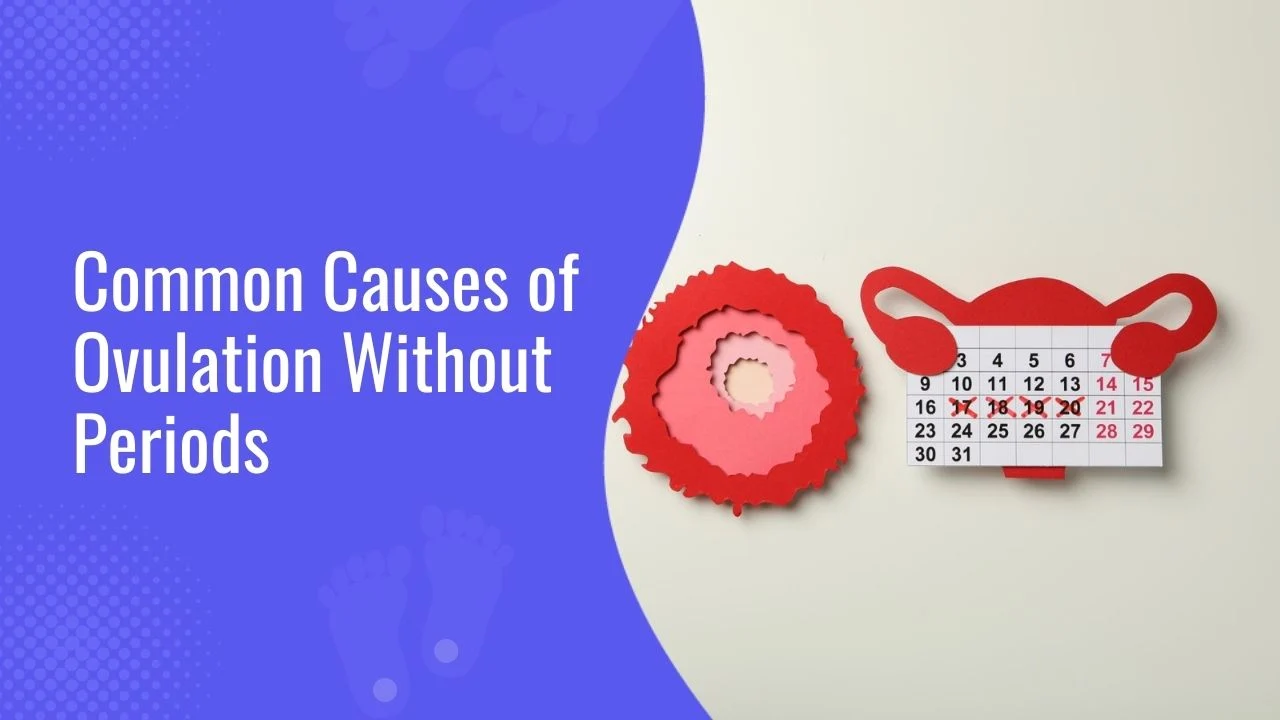
1. Polycystic Ovary Syndrome (PCOS)
PCOS affects 8-13% of reproductive-age women and is characterized by hormonal imbalances that can disrupt regular ovulation. Between 70-80% of women with PCOS experience anovulation (lack of ovulation), but sporadic ovulation can still occur even without regular periods. Many women with PCOS wonder, “Can I ovulate without a period?” and the answer is yes, you can ovulate without a period, even with PCOS.
Key symptoms of PCOS:
- Irregular or absent periods
- Elevated androgens (male sex hormones)
- Ovarian cysts
- Difficulty conceiving
2. Perimenopause
As women approach menopause, typically in their 40s, hormone levels (especially estrogen and progesterone) naturally fluctuate. This transitional phase can cause irregular ovulation and skipped periods. Perimenopause usually lasts about 4 years, though it can vary significantly. During perimenopause, it’s common to ovulate without a period, which is why pregnancy is still possible during this phase.
3. Postpartum and Breastfeeding
After childbirth, ovulation may return before your first period. In fact, you can ovulate as early as 3 weeks postpartum, making it possible to conceive even if menstruation hasn’t resumed. This is a classic example of when you can ovulate without a period.
The Lactational Amenorrhea Method (LAM): While exclusive breastfeeding can suppress ovulation through elevated prolactin levels, this natural contraceptive method is only about 98% effective under specific conditions (exclusively breastfeeding, baby under 6 months, no menstruation).
4. Thyroid Disorders
Both hypothyroidism and hyperthyroidism can disrupt menstrual cycles and ovulation. Studies show that nearly 14% of adolescent girls with thyroid dysfunction also experience menstrual irregularities.
5. Stress and Lifestyle Factors
High stress levels trigger cortisol production, which can interfere with reproductive hormones and delay or suppress menstruation while occasionally allowing ovulation. So if you’re wondering whether you can ovulate without a period during stressful times, the answer is yes.
Weight fluctuations: Research published in BMC Women’s Health found that women with a BMI below 20 or above 25 are 1.1 times more likely to experience menstrual irregularities. Both low body weight and being overweight can disrupt hormonal balance.
Excessive exercise: Athletic amenorrhea commonly affects women engaged in intense physical training. The body’s energy imbalance can suppress menstruation, while sporadic ovulation may still occur.
6. Hyperprolactinemia
Elevated prolactin levels (the hormone responsible for milk production) can interfere with ovulation and menstruation. However, some women with this condition may still ovulate intermittently.
7. Other Endocrine Conditions
Conditions like adrenal gland disorders and Cushing’s syndrome can cause hormonal imbalances that affect both menstrual cycles and ovulation patterns.
Can You Get Pregnant Without Having a Period?
Yes, pregnancy is absolutely possible even without regular periods.
Since ovulation is what makes conception possible, not menstruation, you can become pregnant if you ovulate, regardless of whether you’re having periods. This is why understanding whether you can ovulate without a period is so important for family planning. However, irregular cycles make it challenging to predict your fertile window (the 6-day period during which conception can occur, including the 5 days before ovulation when sperm can survive in the reproductive tract).
How to Track Ovulation Without Regular Periods
If your periods are irregular or absent, tracking ovulation becomes essential for understanding your fertility. Since you can ovulate without a period, you need reliable methods to detect when ovulation occurs. Here are the most effective methods:
1. Basal Body Temperature (BBT) Tracking
Your basal body temperature rises by approximately 0.5° to 1°F after ovulation due to increased progesterone. By measuring your temperature first thing each morning with a basal thermometer, you can identify this subtle shift.
Pros:
- Inexpensive and reliable over time
- Confirms ovulation has occurred
Cons:
- Doesn’t predict ovulation in advance
- Requires consistent daily tracking
2. Ovulation Predictor Kits (OPKs)
These kits detect the luteinizing hormone (LH) surge that occurs 24-48 hours before ovulation. For women with irregular cycles, you may need to test more frequently to catch the surge.
Important note: Women with PCOS may experience false positives due to naturally elevated LH levels. However, only about 7% of ovulation kit results are incorrect overall.
3. Cervical Mucus Observation
Around ovulation, cervical mucus becomes clear, stretchy, and slippery, often compared to raw egg whites. This fertile mucus helps sperm travel through the cervix more easily.
What to look for:
- Consistency similar to egg whites
- Clear or slightly cloudy appearance
- Stretchy texture
- Increased volume
4. Cervix Changes
Your cervix undergoes physical changes during ovulation:
- Becomes softer (like your lips rather than the tip of your nose)
- Rises higher in the vaginal canal
- Opens slightly
- Feels wetter
5. Physical Symptoms
Pay attention to these ovulation signs:
- Mittelschmerz: Mild pelvic pain or cramping on one side
- Increased libido: Heightened sex drive during fertile days
- Breast tenderness: Sensitivity in breast tissue
- Heightened senses: Some women notice enhanced smell or taste
6. Period Tracking Apps and Fertility Awareness Methods
Apps like Flo, Clue, and others can help you log symptoms, track patterns, and predict ovulation even with irregular cycles. By recording cervical mucus, BBT, and physical symptoms, you create a comprehensive picture of your fertility.
Conditions That Cause Bleeding Without Ovulation
It’s also important to understand that you can have bleeding that resembles a period without ovulating. This is the opposite of when you ovulate without a period. This is called an anovulatory cycle and occurs when:
- The uterine lining becomes too thick and unstable, shedding on its own
- Estrogen continues to be produced without the balancing effect of progesterone (which normally appears after ovulation)
- Hormonal medications or birth control affect the cycle
This “breakthrough bleeding” is not a true period and doesn’t indicate that ovulation has occurred.
When to Seek Medical Advice
While some cycle irregularity is normal, consult a healthcare provider if you experience:
- Absent periods for three months or more (not related to pregnancy or menopause)
- Consistent irregularities that make tracking ovulation difficult
- Concerning symptoms such as:
- Severe pelvic pain
- Excessive hair growth or acne (signs of hormonal imbalance)
- Unexplained weight changes
- Abnormal vaginal discharge
- Extreme fatigue
Diagnostic Tests Your Doctor May Recommend
- Hormone level tests: To check estrogen, progesterone, FSH, LH, and thyroid hormones
- Pelvic ultrasound: To examine reproductive organs for abnormalities
- Blood tests: To assess overall health and detect underlying conditions
Questions to Ask Your Healthcare Provider
- What could be causing my absent or irregular periods?
- Are there lifestyle changes that could help regulate my cycle?
- What treatments are available for my specific condition?
- How can I monitor my fertility without regular periods?
- What are my chances of conceiving given my situation?
Treatment Options and Fertility Solutions
If you’re trying to conceive without regular periods, several options may help:
Lifestyle Modifications
- Weight management: Achieving a healthy BMI (20-25) can help regulate ovulation
- Stress reduction: Meditation, yoga, therapy, or other stress-management techniques
- Balanced nutrition: Ensuring adequate intake of vitamins and minerals, especially iron and vitamin D
- Moderate exercise: Avoiding excessive training while maintaining healthy activity levels
Medical Treatments
- Fertility medications: Drugs like Clomid can stimulate ovulation
- Thyroid medication: If thyroid dysfunction is the cause
- PCOS management: Metformin, hormonal birth control, or other medications
- Hormone therapy: To address specific hormonal imbalances
Working with Fertility Specialists
If you’ve been trying to conceive for one year (or six months if you’re over 35) without success, consider consulting a fertility specialist who can:
- Perform comprehensive fertility evaluations
- Recommend advanced testing
- Suggest assisted reproductive technologies if needed
- Create personalized treatment plans
Common Misconceptions Debunked
Myth #1: Regular Periods Always Mean You’re Fertile
Having regular periods indicates regular ovulation, but fertility depends on many factors beyond ovulation frequency, including egg quality, reproductive health, and the absence of underlying conditions.
Myth #2: Ovulation Bleeding is the Same as a Period
Some women experience light bleeding or spotting during ovulation (around mid-cycle). This is different from menstruation and occurs when the egg is released from the follicle.
Myth #3: No Periods Mean You’re Definitely Infertile
While irregular or absent periods can indicate fertility challenges, many women with amenorrhea can still conceive with proper diagnosis and treatment.
Myth #4: Breastfeeding is Reliable Birth Control
While the Lactational Amenorrhea Method can be effective, it’s not foolproof. You can ovulate before your first postpartum period returns, making pregnancy possible even while breastfeeding.
The Bottom Line: Ovulation and Fertility Without Periods
Understanding that you can ovulate without a period is crucial for:
- Women trying to conceive: Don’t wait for regular periods to start tracking fertility ovulation tracking is essential even with irregular cycles
- Those avoiding pregnancy: Don’t assume irregular periods mean you can’t get pregnant. Ovulation can occur without menstruation, making conception possible
- Anyone managing reproductive health: Recognizing when medical intervention may be beneficial
Remember that every woman’s body is unique. While the typical 28-day cycle with mid-cycle ovulation is the standard, many variations are normal and don’t necessarily indicate a problem.
Key Takeaways
- You can ovulate without a period due to conditions like PCOS, perimenopause, postpartum recovery, uterine scarring, or hormonal imbalances
- Pregnancy can occur even without regular menstruation, as long as ovulation happens
- Tracking methods exist for irregular cycles, including BBT, OPKs, cervical mucus observation, and fertility apps
- Medical conditions affecting periods don’t always prevent ovulation entirely
- Professional guidance is important if you’re experiencing persistent irregularities or trying to conceive
Final Thoughts
If you’re experiencing irregular or absent periods, don’t lose hope regarding your fertility. Many women successfully conceive despite menstrual irregularities, especially with proper tracking, lifestyle modifications, and medical support when needed.
The most important step is understanding your body’s unique patterns and working with healthcare providers to address any underlying issues. Whether you’re trying to conceive, avoid pregnancy, or simply manage your reproductive health, knowledge about how you can ovulate without a period empowers you to make informed decisions.
Frequently Asked Questions
1. Is pregnancy possible when ovulating without menstruation?
Yes, pregnancy is entirely possible. Since conception depends on ovulation, not menstruation. If an egg is released and fertilised, implantation can occur regardless of whether a period follows. Women with irregular or absent periods are advised to track ovulation actively using OPKs or BBT monitoring.
2. How long can ovulation occur without menstruation?
This depends on the underlying cause. Postpartum women may ovulate within 3 weeks of giving birth before their first period returns. Women with PCOS may experience sporadic ovulation for years without regular periods. During perimenopause, this pattern can last 4–10 years. If periods have been absent for 3+ months without a known cause, consult a doctor.
3. What are the signs of ovulation when you don’t have periods?
Seven signs to watch: (1) LH surge on OPK test, (2) egg-white cervical mucus, (3) slight rise in basal body temperature, (4) mild one-sided pelvic pain (mittelschmerz), (5) increased libido, (6) breast tenderness, (7) cervix becomes softer and higher. Using 2–3 methods together gives the most reliable picture.
4. Does birth control prevent ovulation if you don’t have periods?
Hormonal methods (pill, patch, hormonal IUD, implant) work primarily by suppressing ovulation periods, on these are withdrawal bleeds, not true periods. Non-hormonal methods (copper IUD, condoms) do not prevent ovulation. After stopping hormonal birth control, ovulation may return within weeks, though some women experience a delay of 1–3 months.
5. Is ovulation without menstruation normal?
It can be normal in specific situations, such as postpartum, breastfeeding, perimenopause, or early after stopping birth control. It becomes a concern if periods have been absent for 3+ consecutive months without these explanations, or if you’re also experiencing symptoms like excessive hair growth, unexplained weight gain, or severe acne, which may signal PCOS or a thyroid disorder.