
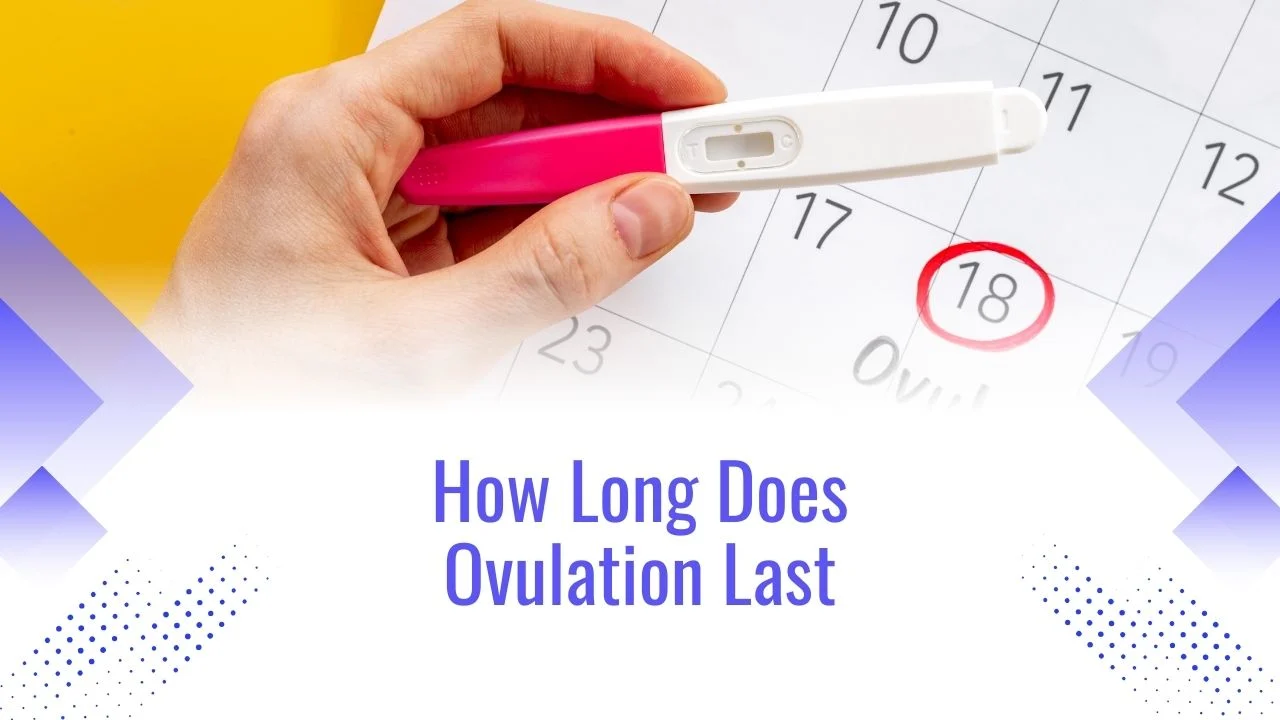
If you’re trying to conceive or tracking your menstrual cycle, understanding how long ovulation lasts is crucial. Ovulation is a brief but significant event in your reproductive cycle. Knowing exactly how long it lasts can dramatically improve your chances of getting pregnant.
How long does ovulation last? Ovulation lasts approximately 12 to 24 hours. During this time, a mature egg is released from the ovary and is available for fertilization. However, your fertile window extends to about 6 days because sperm can survive in the female reproductive tract for up to 5 days.
In this comprehensive guide, we’ll explore ovulation duration, signs you’re ovulating, and the best methods to track your fertility window.
What Is Ovulation?
Ovulation is the process when a mature egg is released from one of your ovaries. This typically occurs once during each menstrual cycle, usually around the middle of your cycle. The released egg travels down the fallopian tube, where it may meet sperm and become fertilized.
The ovulation process is triggered by a surge in luteinizing hormone (LH). This hormonal spike causes the dominant follicle in your ovary to rupture and release the egg. Understanding this biological process helps you identify your most fertile days.
When Does Ovulation Occur in Your Cycle?
For women with a regular 28-day cycle, ovulation typically happens around day 14. However, cycle lengths vary significantly between individuals, ranging from 21 to 35 days. Your ovulation day depends on your unique cycle length, not a universal timeline.
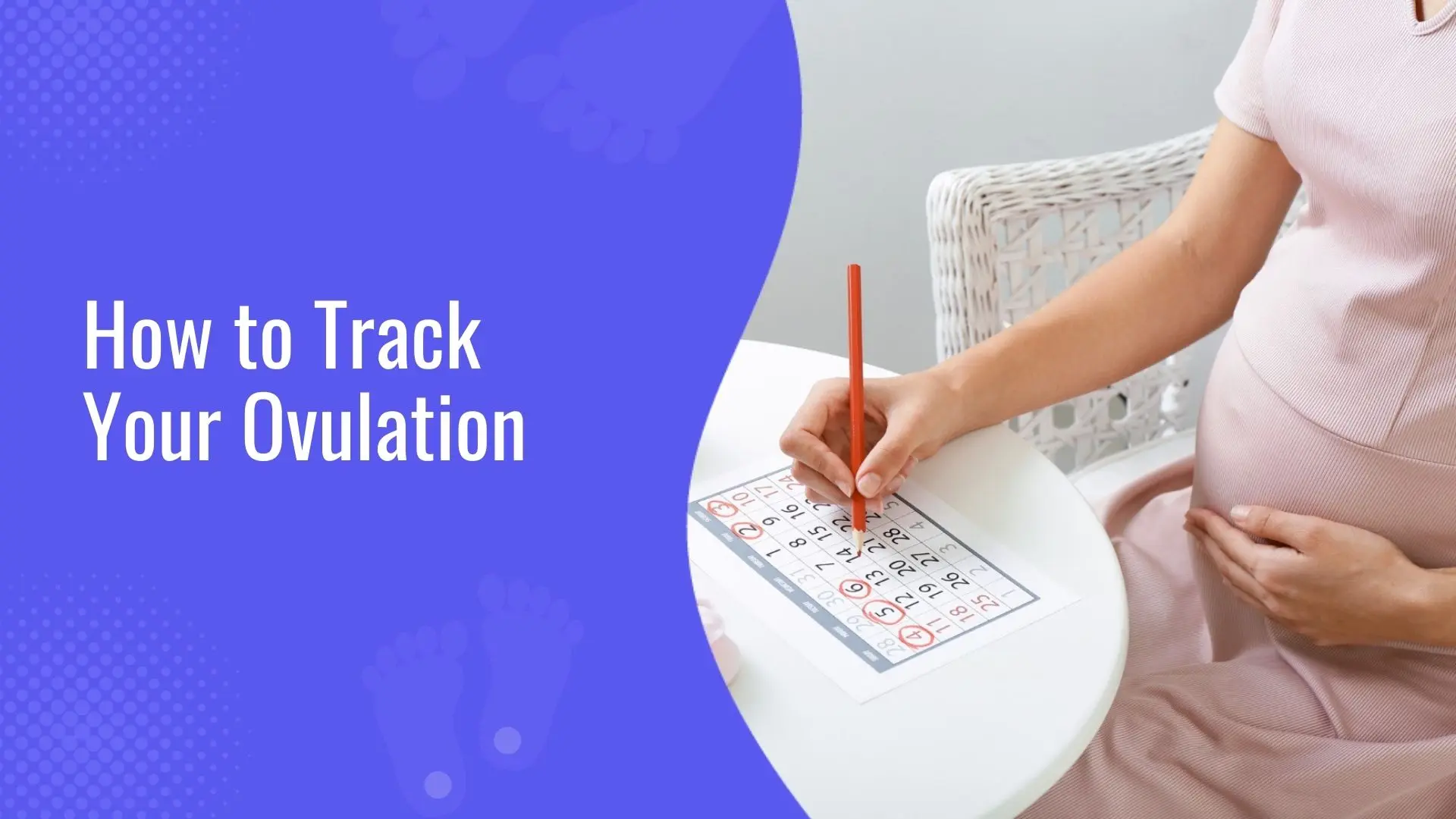
The menstrual cycle consists of two main phases: the follicular phase (before ovulation) and the luteal phase (after ovulation). The follicular phase can vary in length, while the luteal phase typically remains consistent at 12-14 days. This is why tracking your individual pattern is essential for accurate ovulation prediction.
How Long Does Ovulation Actually Last?
The 12-24 Hour Window
Once the egg is released during ovulation, it remains viable for only 12 to 24 hours. This is your actual ovulation window when the egg is available for fertilization. If sperm doesn’t fertilize the egg within this timeframe, it disintegrates and is absorbed by the body.
This short window might seem restrictive, but nature has built in some flexibility. The key is understanding that successful conception doesn’t require intercourse precisely during these 12-24 hours. The broader fertile window provides more opportunities for pregnancy.
Why the Timing Matters for Conception
The timing of ovulation is critical because it represents the only time each month when pregnancy can occur naturally. Missing this window means waiting for the next cycle to try again. However, the good news is that you don’t need to time intercourse to the exact hour of ovulation.
Sperm can survive in the female reproductive tract for 3 to 5 days under optimal conditions. This means having intercourse in the days leading up to ovulation can still result in pregnancy. In fact, studies show that intercourse 1-2 days before ovulation offers the highest pregnancy rates.
Ovulation vs. Fertile Window: What’s the Difference?
The 6-Day Fertile Window Explained
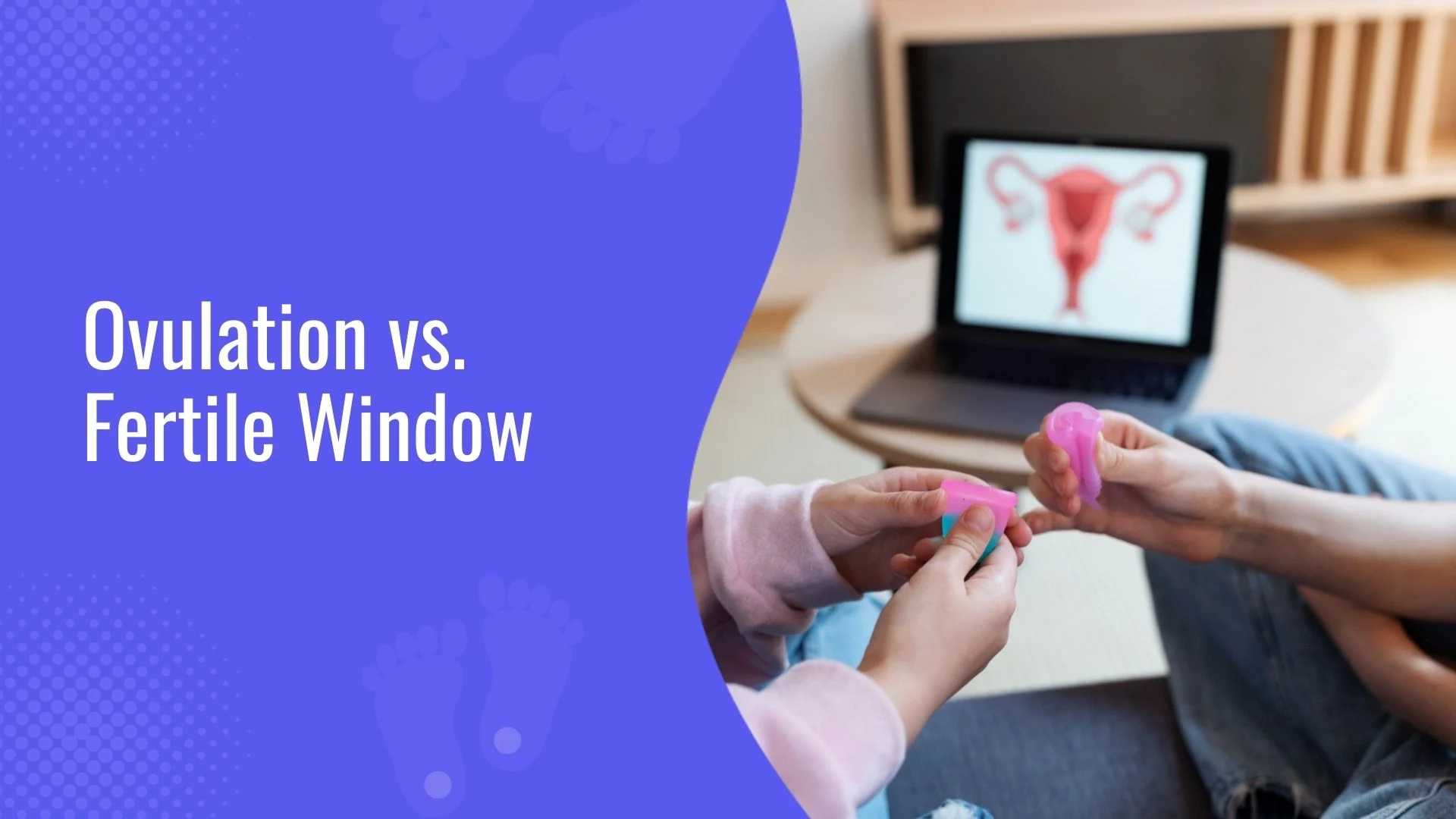
Your fertile window is longer than ovulation itself. It spans approximately 6 days: the 5 days before ovulation plus ovulation day. This extended timeframe accounts for sperm survival and gives couples multiple opportunities to conceive.
Research indicates that pregnancy is most likely when intercourse occurs during the 3 days leading up to and including ovulation. The day before ovulation and ovulation day itself offer the highest conception chances. Understanding this difference between ovulation and your fertile window removes unnecessary pressure about perfect timing.
Sperm Survival and Egg Viability
Sperm can live inside the female reproductive system for up to 5 days when conditions are favorable. Cervical mucus during your fertile window becomes thin and stretchy, creating an ideal environment for sperm survival. This “egg white cervical mucus” (EWCM) protects and nourishes sperm as they travel toward the egg.
The egg, however, has a much shorter lifespan of 12-24 hours after release. This asymmetry between sperm survival and egg viability is why the fertile window extends before ovulation rather than after. Once ovulation ends, your chance of conception for that cycle drops dramatically.
Signs and Symptoms of Ovulation
Physical Signs You’re Ovulating
Many women experience noticeable physical changes during ovulation. Some feel mild cramping or pain on one side of the lower abdomen, known as mittelschmerz. This ovulation pain occurs when the follicle ruptures to release the egg.
Other common signs include breast tenderness, mild bloating, and increased energy levels. Some women notice light spotting or slight bleeding during ovulation. You might also experience a heightened sense of smell and increased libido during your fertile window.
Hormonal Changes During Ovulation
The LH surge is the most significant hormonal marker of ovulation. This spike in luteinizing hormone triggers egg release within 24-36 hours. Ovulation predictor kits (OPKs) detect this LH surge in urine, providing a warning of impending ovulation.
Estrogen levels peak just before ovulation, contributing to increased energy and libido. After ovulation, progesterone rises as the corpus luteum forms from the ruptured follicle. This progesterone increase causes your basal body temperature to rise slightly, a key tracking method.
Cervical Mucus Changes
Cervical mucus undergoes dramatic changes throughout your cycle. During your fertile window, it becomes clear, stretchy, and slippery, resembling raw egg whites. This fertile-quality mucus facilitates sperm transport and survival.
After ovulation, progesterone causes cervical mucus to become thick, sticky, and opaque. This change creates a barrier that prevents sperm from entering the uterus. Learning to observe these mucus changes provides valuable insight into your fertility status without any tools or technology.
How to Track Your Ovulation
Ovulation Predictor Kits (OPKs)
Ovulation test strips detect the LH surge that precedes ovulation by 24-36 hours. These tests work similarly to pregnancy tests, displaying a positive result when LH levels peak. Start testing several days before your expected ovulation based on your cycle length.
Digital ovulation tests offer easier result interpretation than traditional line tests. Some advanced versions also measure estrogen levels for a longer fertility warning. OPKs are highly accurate when used correctly and provide timely information for conception planning.
Basal Body Temperature Tracking
Your basal body temperature (BBT) is your resting temperature immediately upon waking. After ovulation, progesterone causes a sustained temperature rise of about 0.5-1.0°F. Charting your BBT over several months reveals your ovulation pattern.
The temperature shift confirms ovulation has already occurred, so it’s most useful for understanding your cycle retrospectively. Consistent BBT tracking helps predict future ovulation timing. Use a basal thermometer for accurate readings and measure at the same time each morning before getting out of bed.
Cervical Mucus Method
The cervical mucus method involves checking your discharge daily and noting its characteristics. As you approach ovulation, mucus becomes increasingly wet, slippery, and stretchy. Peak fertility occurs when you observe clear, stretchy EWCM.
This method requires no special equipment and helps you tune into your body’s natural signals. It works well in combination with other tracking methods. Some women can predict ovulation accurately through mucus observation alone after learning their patterns.
Using an Ovulation Calculator
An ovulation calculator provides a convenient way to estimate your fertile window based on your cycle length and last period date. These digital tools use algorithms to predict when ovulation will likely occur. While not as precise as physiological signs, ovulation calculators offer a helpful starting point for cycle tracking.
Many fertility apps combine ovulation calculators with symptom logging and prediction refinement. The more data you provide, the more accurate the predictions become. Use an ovulation calculator alongside physical tracking methods for the most comprehensive fertility awareness.
Fertility Apps and Digital Tools
Modern fertility apps integrate multiple tracking methods into one platform. They can monitor BBT, log cervical mucus observations, record OPK results, and predict fertile windows. These apps use artificial intelligence to improve predictions based on your unique cycle patterns.
Some apps offer community features, educational content, and reminders for testing or temperature taking. Choose an app with strong privacy protections and science-based algorithms. Digital tracking makes pattern identification easier than paper charting alone.
Best Time to Get Pregnant
Optimal Days for Conception
The highest pregnancy rates occur with intercourse during the 3 days leading up to ovulation. Specifically, the day before ovulation offers approximately a 30% chance of conception per cycle. Ovulation day itself and two days before also show high pregnancy probabilities.
Having intercourse every 1-2 days during your fertile window maximizes conception chances without depleting sperm quality. Daily intercourse is unnecessary and may cause stress. Focus on the 5-6 day window identified through tracking methods rather than trying to pinpoint the exact ovulation hour.
How Long Can You Get Pregnant After Ovulation?
Pregnancy is unlikely after ovulation ends. Once the 12-24 hour ovulation window closes, the egg is no longer viable for fertilization. This means the fertile window effectively ends on ovulation day or shortly after.
Some sources suggest a little possibility of conception up to 12-24 hours after ovulation completes. However, pregnancy rates drop dramatically once ovulation ends. For practical purposes, consider ovulation day the final day of your fertile window when planning conception timing.
What Affects Ovulation Duration?
Irregular Cycles and Ovulation
Women with irregular cycles may experience unpredictable ovulation timing. Stress, weight fluctuations, and lifestyle factors can delay or prevent ovulation. Conditions like polycystic ovary syndrome (PCOS) often cause anovulation (absence of ovulation) or irregular ovulatory cycles.
Even with irregular cycles, ovulation itself still lasts only 12-24 hours when it occurs. The challenge is predicting when that window will happen. Tracking methods become even more important for identifying fertile days in irregular cycles.
Age and Ovulation
Age affects ovulation quality more than duration. Women in their 20s and early 30s typically ovulate regularly with high egg quality. As women approach their late 30s and 40s, ovulation may become less consistent, and egg quality declines.
The 12-24 hour ovulation window remains constant regardless of age. However, older women may experience shorter fertile windows due to changes in cervical mucus quality and hormone levels. Fertility naturally decreases with age, making timing increasingly important.
Health Conditions That Impact Ovulation
Various health conditions can affect ovulation regularity. Thyroid disorders, both hyperthyroidism and hypothyroidism, often disrupt normal ovulation patterns. PCOS is the most common cause of ovulatory dysfunction, affecting 5-10% of women of reproductive age.
Extreme exercise, eating disorders, and significant weight changes can suppress ovulation entirely. Certain medications, including some antidepressants and antipsychotics, may interfere with ovulation. If you suspect ovulation problems, consult a healthcare provider for proper evaluation and treatment.
Conclusion: Understanding Your Ovulation Timeline
Ovulation lasts only 12-24 hours, but your fertile window extends to approximately 6 days when sperm survival is factored in. This biological reality provides couples with flexibility in timing intercourse for conception. Understanding the difference between ovulation duration and the fertile window removes unnecessary pressure about perfect timing.
Tracking ovulation through multiple methods, OPKs, BBT, cervical mucus observation, and fertility apps, gives you the most accurate picture of your fertility pattern. Each woman’s cycle is unique, so identifying your personal ovulation signs is essential. Whether you’re trying to conceive or practicing fertility awareness for natural family planning, knowledge of your ovulation timeline empowers informed decisions.
Remember that conception is possible when intercourse occurs during the days leading up to ovulation, not just on ovulation day itself. The 1-2 days before ovulation actually offer the highest pregnancy rates. Focus on identifying your fertile window rather than stressing about pinpointing the exact ovulation hour for the best results.
Frequently Asked Questions
Q: Can ovulation last 2-3 days?
A: No, ovulation itself lasts only 12-24 hours. However, you might confuse ovulation symptoms (which can last several days) with the actual egg release. Your fertile window extends to 6 days, but the egg is only viable for 12-24 hours after release.
Q: How do I know when ovulation is over?
A: Ovulation ends when the egg is no longer viable, typically 12-24 hours after release. Signs that ovulation has passed include a sustained BBT rise, return to thick cervical mucus, and disappearance of ovulation symptoms like mittelschmerz pain. A negative OPK test indicates the LH surge has ended.
Q: Can you ovulate twice in one cycle?
A: True double ovulation (releasing two eggs) can occur, but it happens within the same 24-hour ovulation window. You cannot ovulate again later in the same cycle after ovulation is complete. If two eggs are released, it occurs simultaneously or within hours, not days or weeks apart.
Q: What happens if the egg isn’t fertilized during ovulation?
A: If sperm doesn’t fertilize the egg within 12-24 hours, it disintegrates and is absorbed by your body. The corpus luteum continues producing progesterone for about 12-14 days. If pregnancy doesn’t occur, hormone levels drop, triggering menstruation and starting a new cycle.
Q: Does ovulation always happen on day 14?
A: No, the “day 14 rule” only applies to women with exactly 28-day cycles. Ovulation timing varies based on your individual cycle length. Count backward 14 days from your expected period to estimate ovulation, as the luteal phase length is more consistent than the follicular phase.
Q: Can stress affect ovulation duration?
A: Stress doesn’t change the 12-24 hour ovulation duration, but it can delay or prevent ovulation from occurring at all. High stress levels affect the hypothalamic-pituitary-ovarian axis, potentially disrupting hormone production. This may result in delayed ovulation, making your cycle longer than usual.
Q: Is it possible to get pregnant after ovulation ends?
A: Pregnancy is extremely unlikely after the 12-24 hour ovulation window closes. The egg must be fertilized while viable. However, you can get pregnant from intercourse that occurred before ovulation since sperm survive for several days. Focus on the days before and during ovulation for best conception chances.