

Learning how to check cervical position for ovulation is one of the simplest, tool-free ways to understand your fertile window. Alongside cervical mucus, basal body temperature (BBT), and ovulation predictor kits (OPKs), tracking cervical position gives you another layer of insight into where you are in your menstrual cycle — and it costs nothing but a few minutes and clean hands.
This guide walks through exactly how to check your cervix for ovulation, what changes to expect before, during, and after ovulation, and how to combine this fertility awareness method with other signs so you can track your cycle with more confidence.
What Is Cervical Position and Why It Matters for Fertility
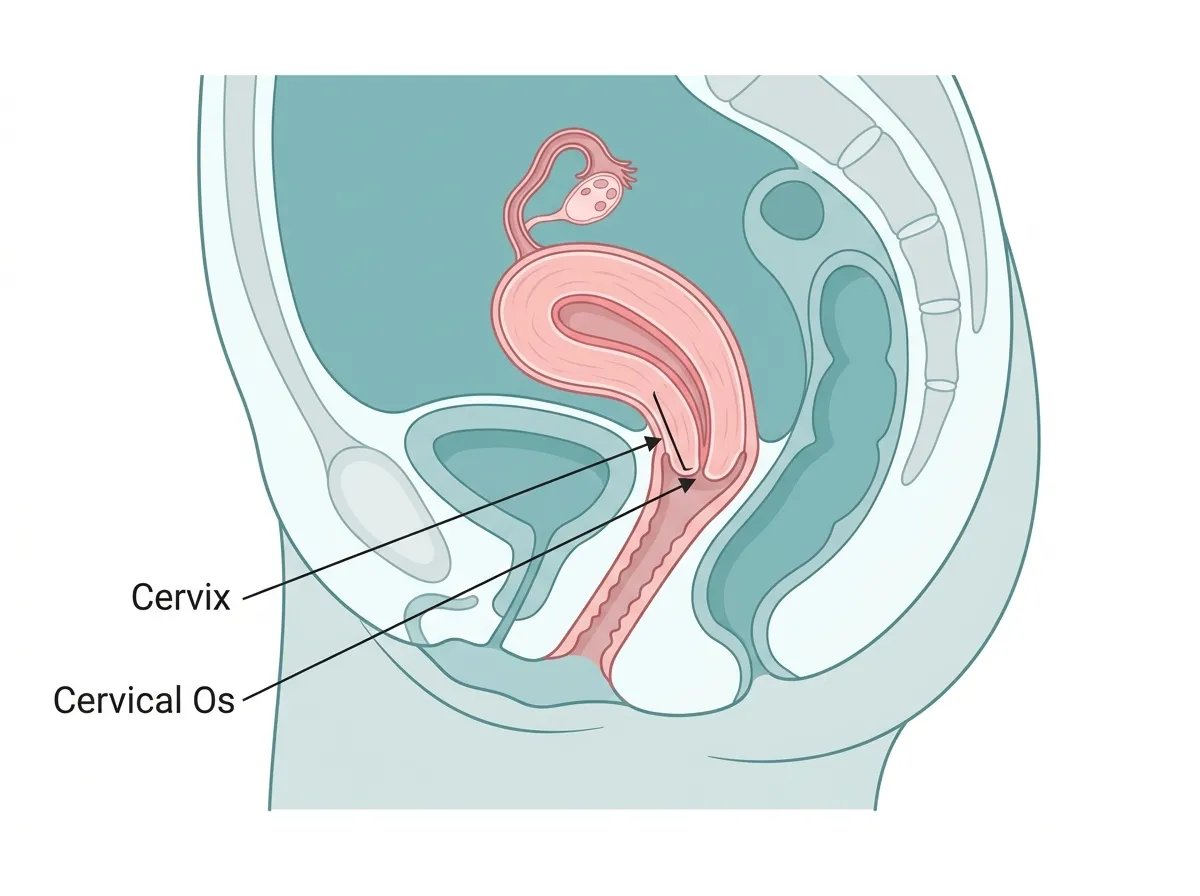
The cervix is the lower, narrow part of the uterus that opens into the vagina. Throughout your menstrual cycle, rising and falling levels of estrogen and progesterone cause the cervix to shift in height, firmness, and openness. Because these hormonal changes are the same ones that drive ovulation, the cervix effectively acts as a built-in fertility signal.
When you are approaching your fertile window, estrogen causes the cervix to rise higher in the vaginal canal, soften, and open slightly at the cervical os (the small opening at its center) to allow sperm to pass through toward the fallopian tubes. After ovulation, progesterone takes over and the cervix drops back down, firms up, and closes again.
Because checking cervical position doesn’t require any device, it’s often used as a natural family planning and fertility awareness method alongside cervical mucus monitoring and cycle tracking apps.
The SHOW Method: Soft, High, Open, Wet
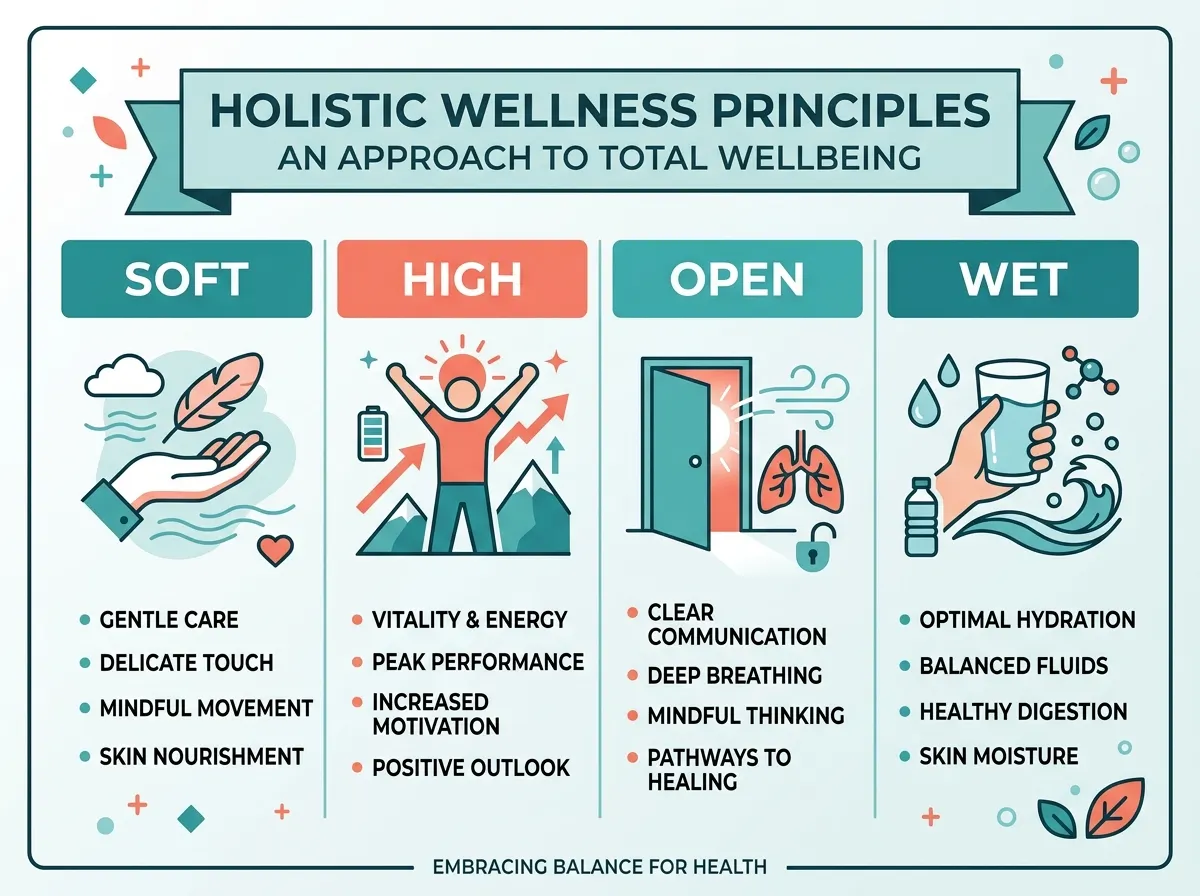
A helpful acronym for remembering what an ovulatory cervix feels like is SHOW — Soft, High, Open, and Wet. This is the pattern most people notice in the days leading up to and during ovulation:
- Soft: the cervix feels more like your lips than the firm tip of your nose.
- High: the cervix sits farther up, sometimes making it harder to reach.
- Open: the cervical os feels like a slight dimple or slit rather than a tightly closed dot.
- Wet: increased cervical mucus makes the area feel noticeably moist, often resembling egg white cervical mucus.
Once ovulation has passed, the pattern reverses — the cervix becomes low, firm, closed, and dry, signaling that the fertile window has closed for that cycle.
How to Check Your Cervix for Ovulation: Step-by-Step
- Wash your hands thoroughly and trim your nails short to avoid discomfort or infection risk.
- Choose a comfortable position. Squatting, sitting on the toilet, or standing with one leg propped on the edge of the bathtub all work well — use the same position every time for consistent results.
- Gently insert one or two fingers into the vagina, reaching upward and slightly toward the back until you feel a firm, rounded structure — this is your cervix.
- Note the height: is it low (easy to reach) or high (harder to reach)?
- Note the texture: does it feel firm like the tip of your nose, or soft like your lips?
- Note the opening: is the cervical os tightly closed, or does it feel slightly open?
- Note the moisture: is the area dry, or is there noticeable cervical mucus?
- Check at the same time each day, ideally once daily, after your period ends, and log what you feel in a journal or fertility tracking app.
It typically takes two to three menstrual cycles of consistent checking before the pattern becomes easy to recognize, since every person’s baseline cervical position and texture is a little different.
Cervical Position Chart: Before, During, and After Ovulation
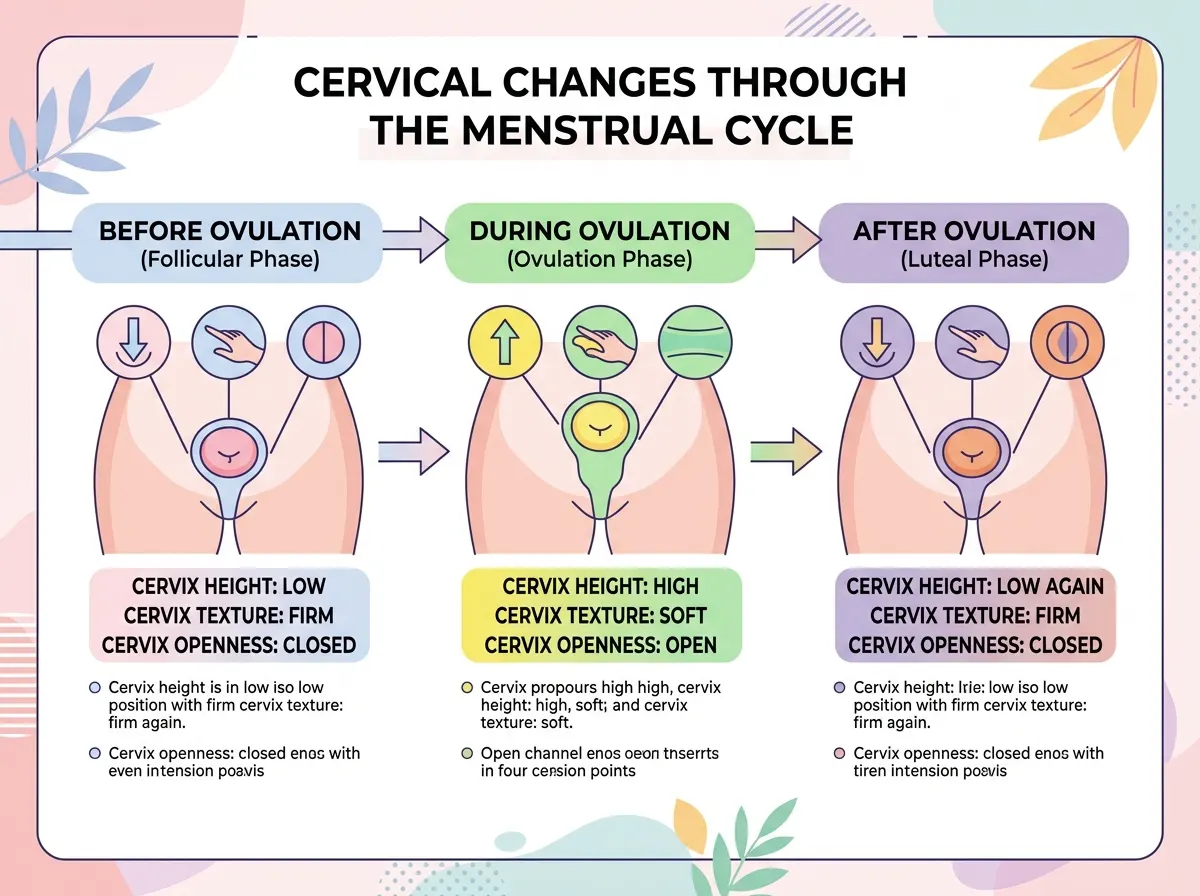
Here’s a quick reference for how cervical position, texture, and openness typically change across the cycle:
| Cycle Phase | Height | Texture | Openness & Moisture |
| Menstruation | Low | Firm | Slightly open, bloody discharge |
| Pre-ovulation (approaching fertile window) | Rising | Softening | Beginning to open, increasing moisture |
| Ovulation (peak fertility) | High | Soft | Open, wet with egg-white cervical mucus |
| Post-ovulation (luteal phase) | Low | Firm | Closed, dry |
Cervical Position vs. Other Fertility Signs
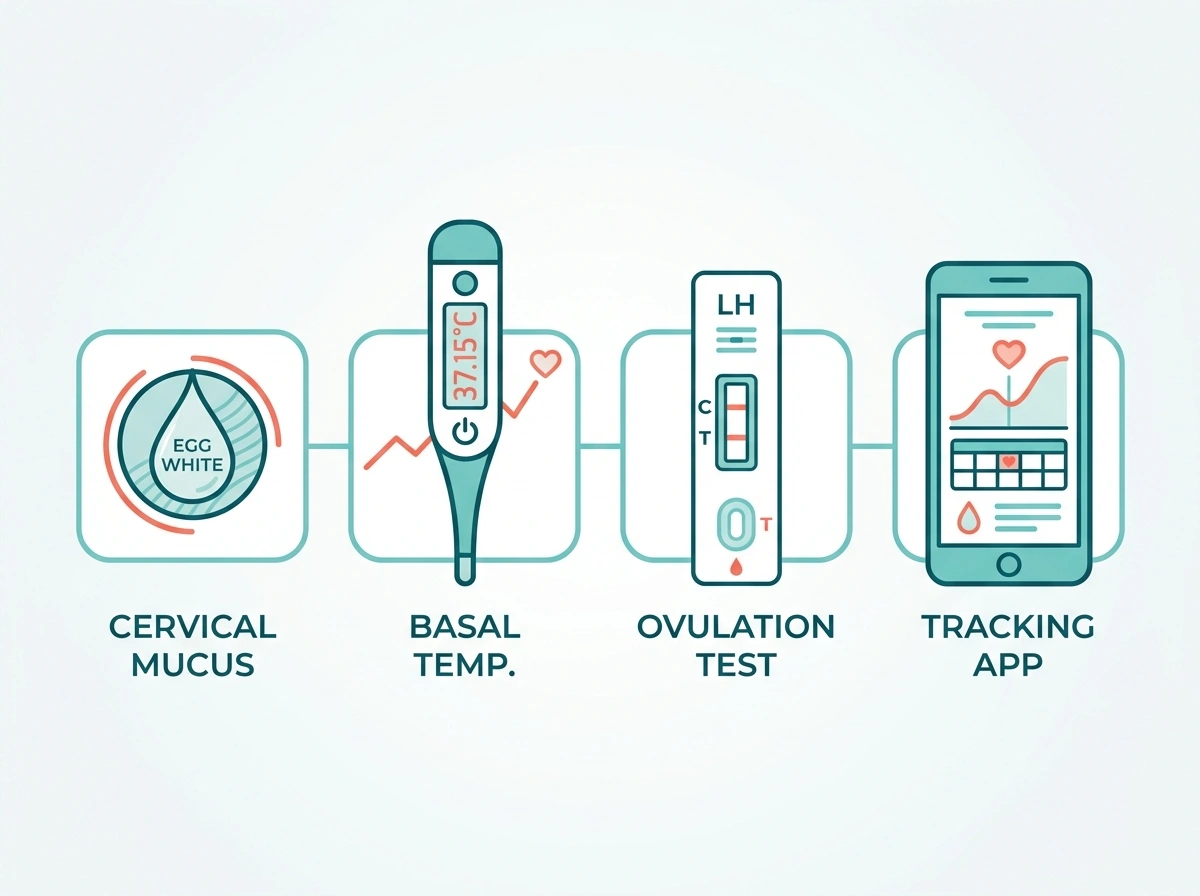
Cervical position is considered an optional or secondary fertility sign — most fertility awareness methods recommend pairing it with at least one other indicator for a fuller picture of your cycle:
- Cervical mucus: Tracks the texture and stretchiness of vaginal discharge, from dry or sticky to slippery egg-white cervical mucus near ovulation.
- Basal body temperature (BBT): A slight rise in resting body temperature confirms that ovulation has already occurred.
- Ovulation predictor kits (OPKs): Detect the luteinizing hormone (LH) surge that happens roughly 24–36 hours before ovulation.
- Fertility tracking apps: Combine cervical position, cervical mucus, BBT, and cycle length data to estimate your fertile window automatically.
Used together, these signs help confirm each other — for example, a high, soft, open, wet cervix alongside egg-white cervical mucus and a positive OPK gives much stronger confidence that you’re in your fertile window than any single sign alone.
Tips for Accurate Cervical Position Tracking
- Check once a day, at the same time, using the same body position, for reliable comparisons.
- Avoid checking immediately after intercourse, since arousal and semen can temporarily change cervical position and moisture.
- Keep a simple log — a notebook or a cycle-tracking app both work — noting height, firmness, openness, and moisture each day.
- Be patient. Recognizing your personal pattern usually takes a few full cycles of practice.
- Combine with cervical mucus and BBT charting rather than relying on cervical position alone if you are trying to conceive.
When Not to Check Your Cervix
Skip checking your cervix if you have an active vaginal infection, unexplained bleeding, or vaginal pain, and wait until the symptoms clear. If you are in a fertility treatment cycle or recently had a procedure such as an embryo transfer, check with your doctor before doing any internal self-examination. Remember that cervical position tracking is a fertility awareness tool, not a form of birth control — ovulation signs should never be relied on to prevent pregnancy.
Frequently Asked Questions
What does the cervix feel like during ovulation?
During ovulation, the cervix feels soft (similar to your lips rather than the firm tip of your nose), sits higher in the vaginal canal, feels more open at the cervical os, and is noticeably wetter due to increased cervical mucus — remembered with the acronym SHOW: Soft, High, Open, Wet.
How do I check my cervical position at home?
Wash your hands, get into a comfortable position such as squatting or sitting on the toilet, and gently insert one or two fingers into the vagina until you feel the cervix. Note its height, texture, openness, and moisture, and check at the same time each day for consistent tracking.
Is a high or low cervix a sign of ovulation?
A high cervix is generally a sign of approaching or current ovulation, since rising estrogen pulls the cervix upward. After ovulation, progesterone causes the cervix to drop back to a low position.
How long does it take to learn my cervical position pattern?
Most people need two to three menstrual cycles of daily checking before they can reliably recognize their own pattern of change, since baseline height, firmness, and openness vary from person to person.
Can cervical position alone confirm ovulation?
No. Cervical position is considered a secondary or optional fertility sign. For more reliable fertility tracking, pair it with cervical mucus observation, basal body temperature charting, or an ovulation predictor kit.
Is it safe to check your cervix every day?
Yes, checking once a day with clean hands is generally safe. Avoid checking if you have an active infection, unexplained bleeding, or vaginal pain, and consult a doctor if you notice anything unusual.
Key Takeaways
- Cervical position changes in height, texture, openness, and moisture across the menstrual cycle in response to estrogen and progesterone.
- The SHOW pattern (Soft, High, Open, Wet) signals approaching or active ovulation; low, firm, closed, and dry signals the infertile phase.
- Check consistently — same time, same position, once daily — and log results for two to three cycles to learn your personal pattern.
- Combine cervical position with cervical mucus, BBT, or OPKs for the most reliable picture of your fertile window.
- Cervical position tracking is a fertility awareness method, not a form of contraception.