
Introduction
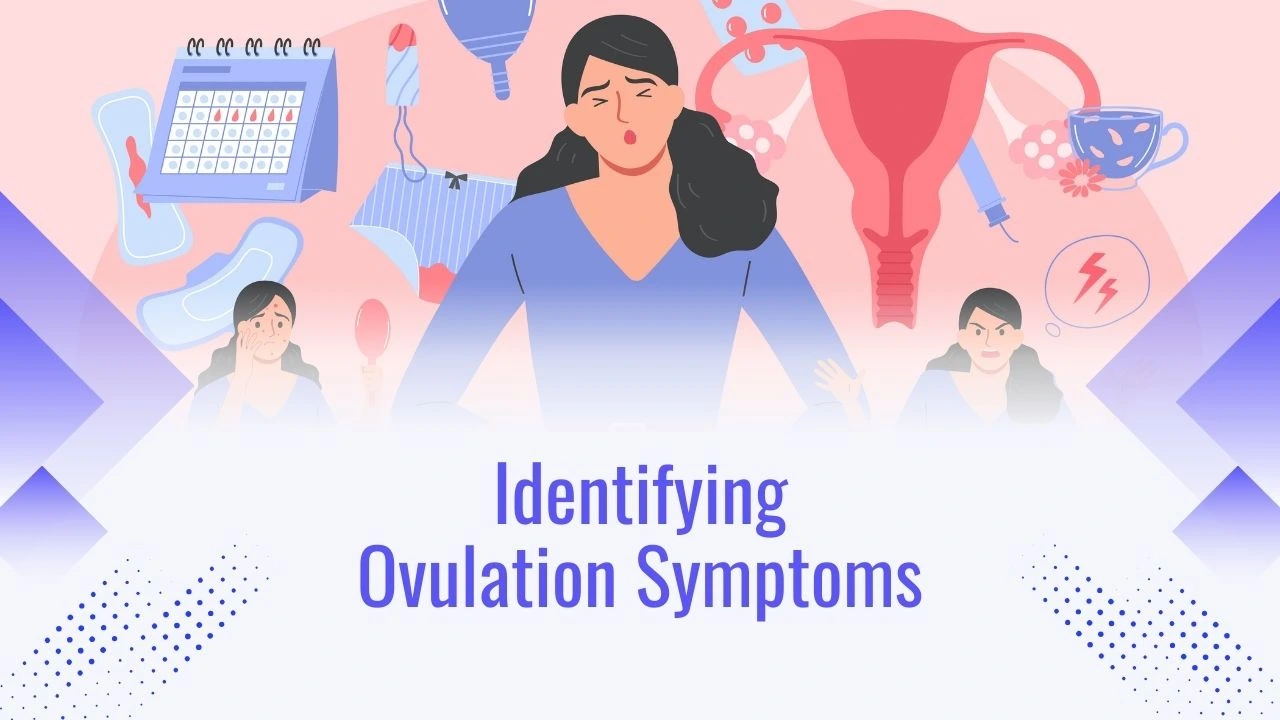
Ovulation plays a crucial role in the menstrual cycle and fertility. For women trying to conceive, identifying the symptoms of ovulation is key to pinpointing the fertile window. Ovulation symptoms not only help with conception but can also provide valuable insights into overall reproductive health. In this blog post, we’ll explore the various signs of ovulation, how to track them effectively, and how an ovulation calculator can help track these symptoms for better fertility planning.
What Is Ovulation?
Ovulation is the process by which a mature egg is released from the ovary into the fallopian tube, ready for fertilization. It typically happens in the middle of your menstrual cycle, around 12 to 14 days before your next period. The egg can survive for 12 to 24 hours, and sperm can live up to five days inside the reproductive tract, making it crucial to know when ovulation occurs to optimise chances of conception. By tracking ovulation with methods like ovulation calculators, you can identify your fertile window and time intercourse for better pregnancy chances.
When Does Ovulation Happen?
Ovulation usually occurs around day 14 of a 28-day cycle, but this timing can vary depending on the length of your menstrual cycle. For instance, if your cycle is shorter or longer than the average, ovulation will happen earlier or later. Understanding the ovulation cycle can help you predict when ovulation is likely to occur and when you’re most fertile. Tracking symptoms such as changes in cervical mucus or using ovulation tracking apps can help pinpoint the exact time.
What Does Ovulation Feel Like?
The physical sensations of ovulation vary from woman to woman, with many experiencing subtle signs such as ovulation cramps or changes in cervical mucus. Some women notice a sharp or dull ache in the lower abdomen, known as Mittelschmerz. Others might not feel ovulation at all. It’s essential to track these signs, as they can serve as reliable indicators of when ovulation is occurring, allowing you to better time intercourse for conception.
Common Ovulation Symptoms
Understanding ovulation symptoms can help you track your fertile window. These symptoms can appear in the days leading up to ovulation, on the day of ovulation, and even post-ovulation. Symptoms may include changes in cervical mucus, breast tenderness, and mood swings, all of which signal your body is preparing for a potential pregnancy. Keep in mind that not all women experience the same symptoms, and some may not notice any signs at all.
Cervical Mucus Changes
As ovulation approaches, cervical mucus changes become more noticeable. The mucus becomes clearer, more slippery, and has a consistency similar to egg white. This is one of the most reliable ovulation symptoms and helps sperm travel more easily through the cervix to meet the egg. By monitoring ovulation discharge stages, you can track the changes in mucus consistency and pinpoint your most fertile days.
Changes in Basal Body Temperature (BBT)
One of the most effective ways to track ovulation is by monitoring your basal body temperature (BBT). After ovulation, your temperature rises slightly by about 0.5 to 1 degree Fahrenheit due to the hormone progesterone. Tracking this daily allows you to confirm that ovulation has occurred, although it’s not a predictor of upcoming ovulation. Combining BBT charting with other methods like ovulation test kits (OPK) can provide a more complete picture of your fertile window.
Ovulation Pain (Mittelschmerz)
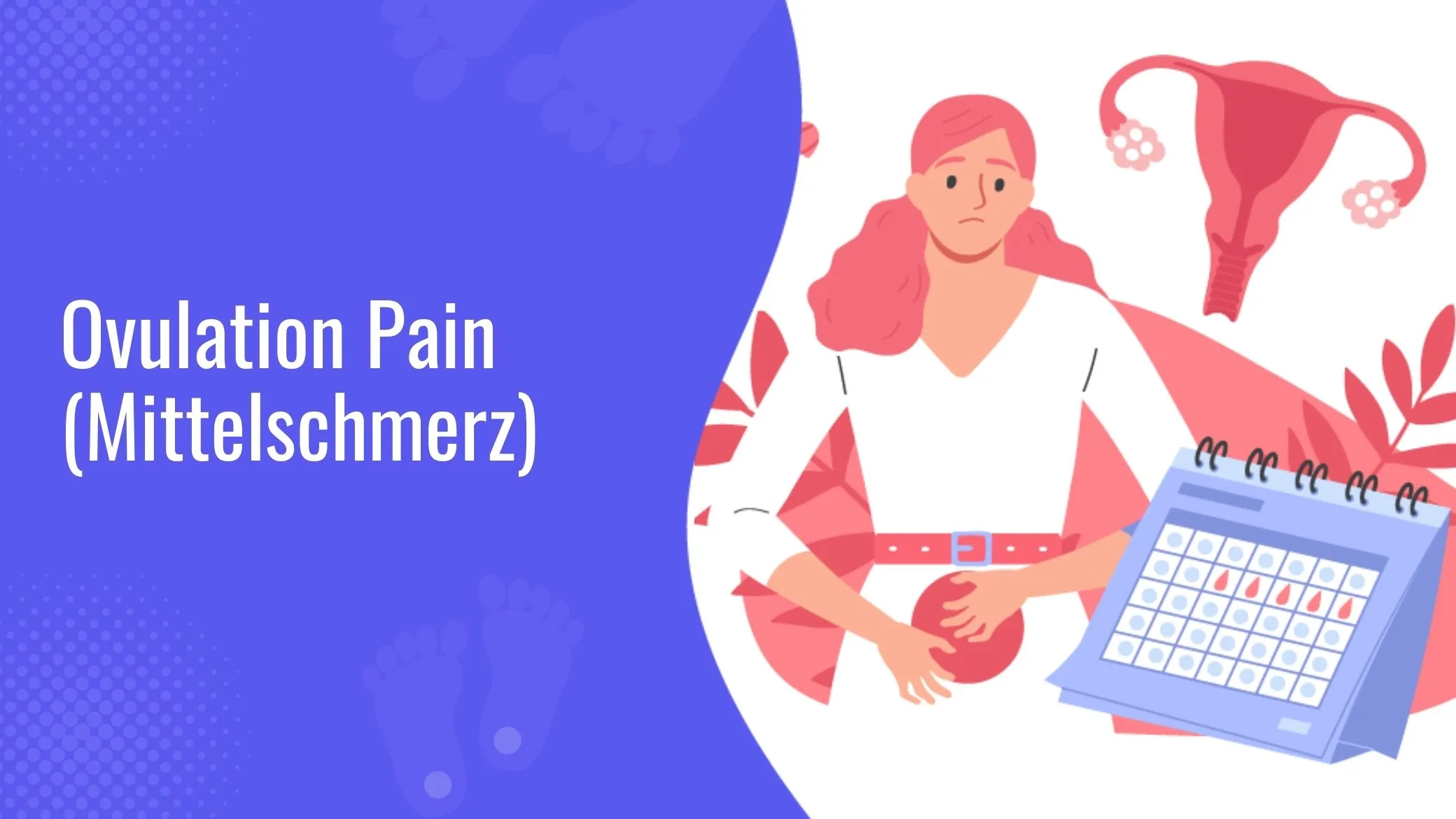
Ovulation pain, also called Mittelschmerz, is a common symptom that occurs when the ovary releases an egg. It can feel like a dull ache or sharp pain on one side of the lower abdomen. While it typically lasts for only a few minutes to hours, some women may experience it for a day or two. If you’re tracking ovulation cramping, noting which side the pain occurs on can help determine which ovary is releasing the egg that cycle.
Breast Tenderness or Soreness
Many women experience breast tenderness or soreness as hormonal changes related to ovulation take place. The increase in estrogen and progesterone during ovulation can cause the breasts to feel swollen and sensitive. For some, this symptom can persist through the luteal phase, the phase after ovulation, due to the body preparing for a potential pregnancy.
Heightened Sense of Smell or Taste

Some women notice a heightened sense of smell or taste during ovulation. Research suggests that hormonal changes may make you more sensitive to certain scents or tastes. This increased sensory perception could be nature’s way of enhancing attraction and encouraging procreation during the fertile window.
Increased Libido
During ovulation, there’s often a noticeable increase in libido. This is due to hormonal shifts, particularly the rise in estrogen and luteinizing hormone (LH), which stimulate sexual desire. Many women find that their sex drive peaks a few days before and during ovulation, making this an ideal time for conception if you are tracking ovulation symptoms.
Light Spotting or Discharge
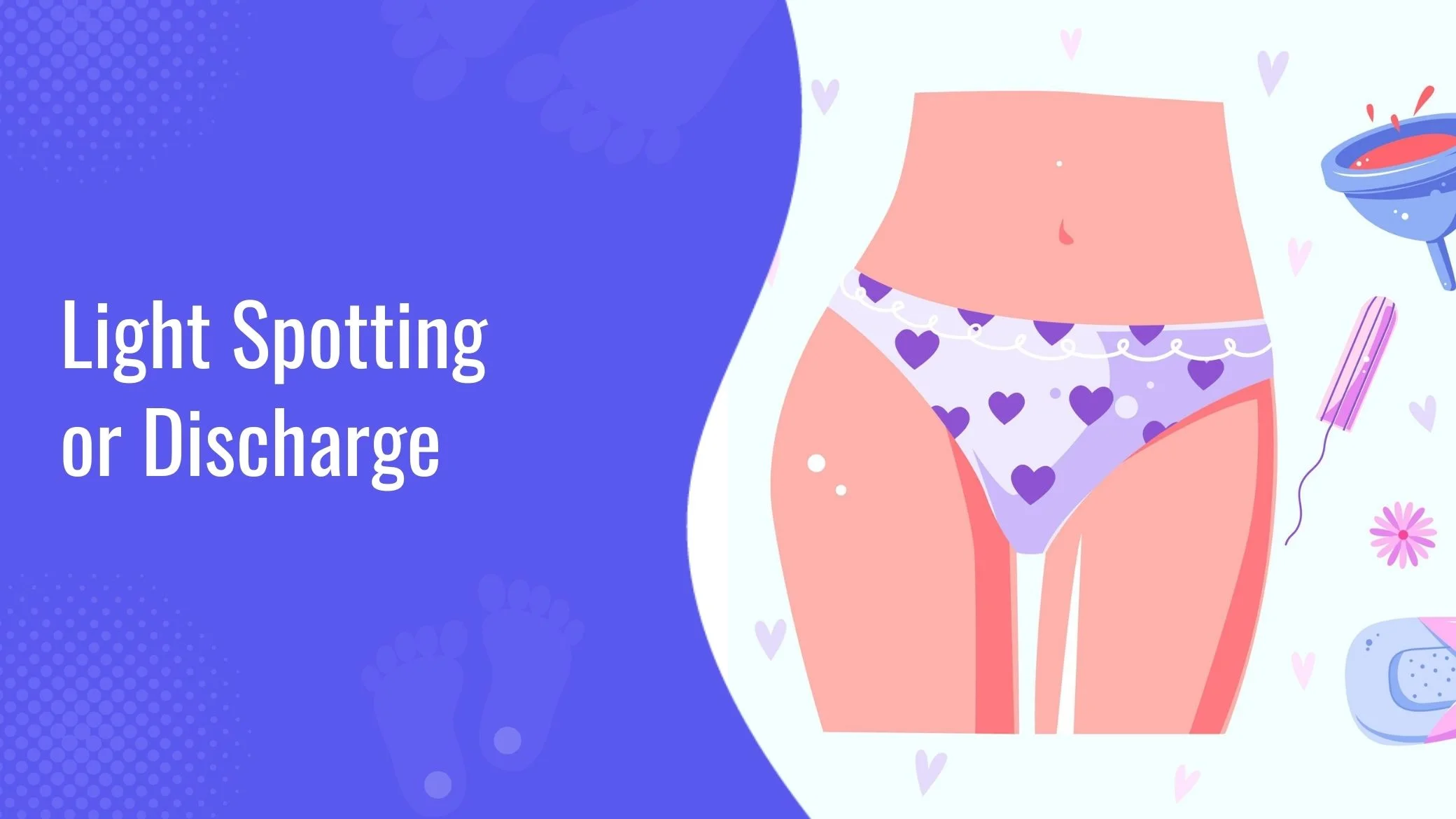
Some women experience light spotting during ovulation, which is often caused by hormonal fluctuations. This spotting is considered one of the common ovulation symptoms and can appear as a small amount of blood or brown discharge. While it’s typically harmless, prolonged or heavy bleeding may signal other health issues, and you should consult a doctor if it persists.
Mood Swings or Emotional Changes
Ovulation can bring on emotional fluctuations due to changing levels of estrogen and progesterone. Some women feel more emotionally sensitive, while others experience increased confidence or even anxiety. Tracking these emotional changes can help you better understand how ovulation affects your mood and help with fertility awareness.
Fatigue During Ovulation
Some women experience light spotting during ovulation, which is often caused by hormonal fluctuations. This spotting is considered one of the common ovulation symptoms and can appear as a small amount of blood or brown discharge. While it’s typically harmless, prolonged or heavy bleeding may signal other health issues, and you should consult a doctor if it persists.
Nausea or Headaches
Hormonal changes around ovulation can cause nausea or mild headaches in some women. These are common ovulation symptoms often linked to fluctuations in estrogen and progesterone. While not all women experience nausea or headaches during ovulation, they can be a sign that your body is in the middle of its fertile window. If these symptoms become severe or prolonged, consider consulting a healthcare provider.
How Long Does Ovulation Last?
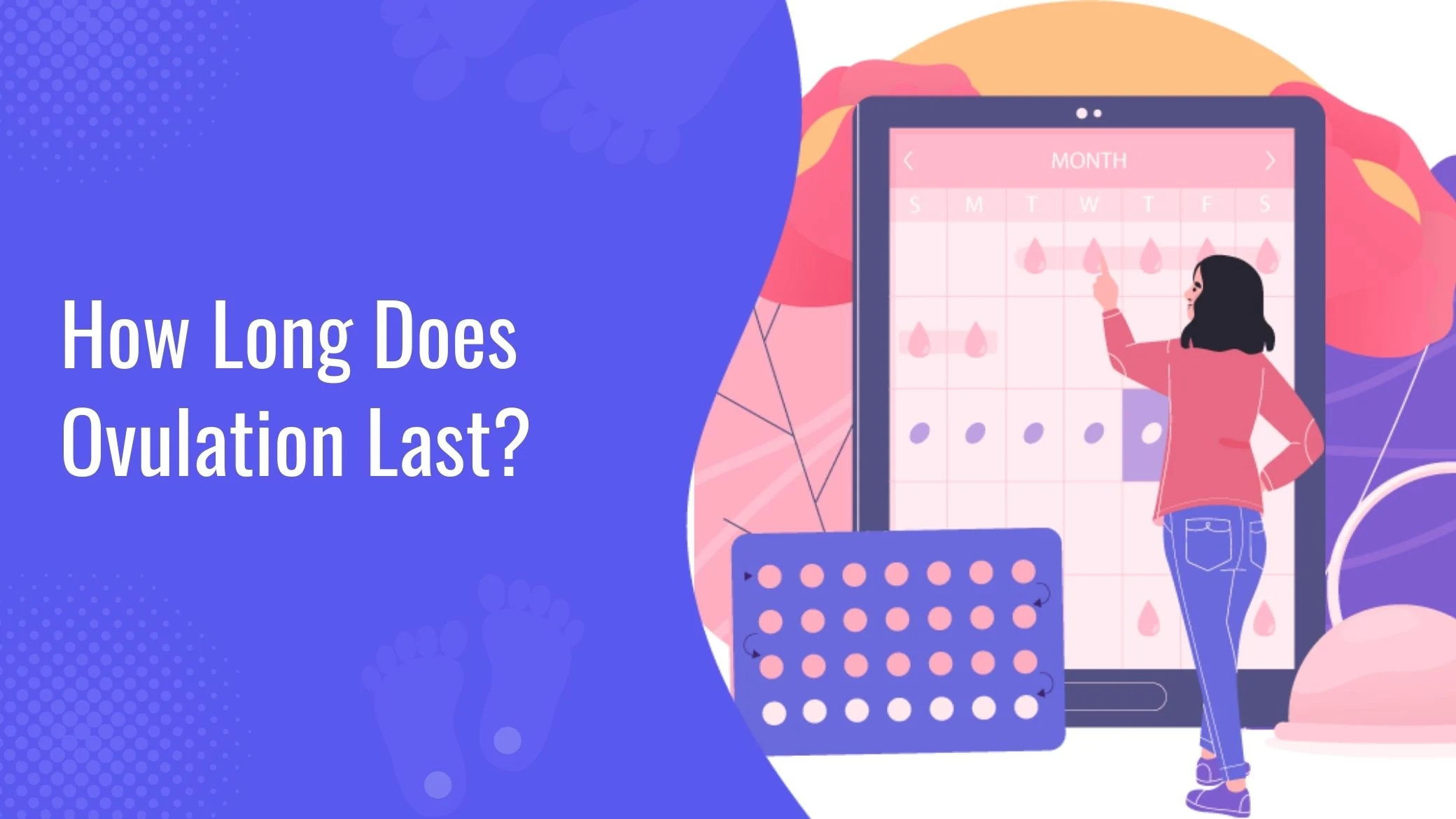
Ovulation itself typically lasts between 12 to 24 hours, with the egg being viable for fertilization during this time. However, the fertility window extends for several days before and after ovulation due to sperm survival. Tracking ovulation symptoms with methods like BBT or ovulation prediction kits (OPK) can help you determine the exact timing and increase your chances of conception.
How to Track Ovulation
There are several ways to track ovulation, each with its own benefits. Here are the most common methods:
Using Ovulation Test Kits
Ovulation predictor kits (OPK) measure the surge in luteinizing hormone (LH), which occurs right before ovulation. These kits provide a positive result when you’re most likely to ovulate within the next 24 to 48 hours, helping you plan intercourse at the optimal time for conception.
Charting Basal Body Temperature (BBT)
Tracking basal body temperature (BBT) is a reliable method to confirm ovulation. A temperature rise typically occurs after ovulation due to increased progesterone levels. By tracking BBT over several cycles and noting related ovulation symptoms, you can better predict when ovulation will happen in future months.
Monitoring Cervical Mucus
The cervical mucus method is another effective way to track ovulation. Observing changes in mucus consistency is one of the key ovulation symptoms and can help pinpoint the most fertile days of your cycle. When mucus is clear, slippery, and stretchy like egg whites, it’s a sign that you are approaching ovulation.
Fertility Monitors and Apps
Using fertility monitors and ovulation tracking apps can simplify the process of monitoring ovulation symptoms. These tools track multiple indicators like BBT, cervical mucus, and LH surges, helping you identify your most fertile days.
What If You Don’t Ovulate?
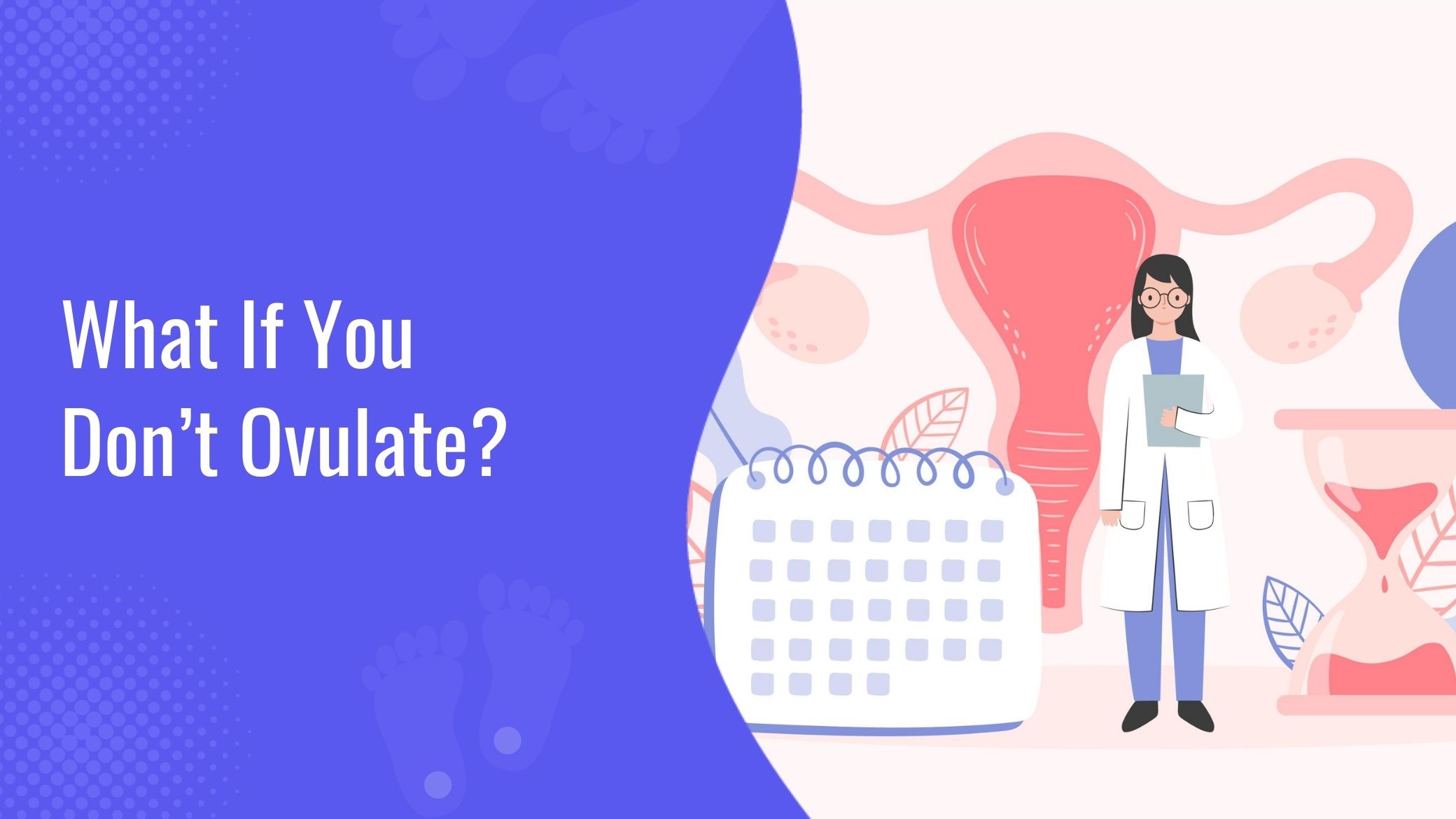
Not ovulating regularly, also known as anovulation, can make conception challenging. Conditions like PCOS or hormonal imbalances can prevent ovulation. If you suspect you’re not ovulating, consider seeking advice from a fertility specialist who can recommend potential treatments or lifestyle changes to improve your chances.
When to See a Doctor during ovulation symptoms
If you experience irregular cycles, painful ovulation, or difficulty conceiving, it’s important to consult a healthcare provider. They can perform tests, such as checking hormone levels or an ultrasound, to identify any underlying conditions like PCOS or anovulation and recommend appropriate treatments.
Conclusion
Understanding ovulation symptoms is crucial for anyone looking to conceive or track their menstrual health. By recognizing the signs of ovulation, using ovulation calculators, and adopting tracking methods like BBT charting and ovulation test kits, you can optimize your chances of pregnancy. Whether you’re trying to conceive or just learning about your cycle, being aware of these symptoms can provide valuable insights into your reproductive health.
Frequently Asked Questions (FAQs)
1. How do I know when I’m ovulating?
To track ovulation, observe changes in your cervical mucus, which becomes clear and stretchy around ovulation. You may also experience a slight increase in basal body temperature (BBT) and feel Mittelschmerz (ovulation pain) on one side of your lower abdomen. Using an ovulation test kit (OPK) can help confirm the timing of ovulation with the rise in luteinizing hormone (LH).
2, Can ovulation be tracked with apps?
Yes, many fertility apps, such as Flo or Clue, help you track symptoms like BBT, cervical mucus changes, and mood swings to predict ovulation. These apps use data from your previous cycles to forecast your fertile window. For the best results, consistently log your symptoms over several months.
3. What are the best ovulation test kits?
The best ovulation test kits measure luteinizing hormone (LH), which peaks just before ovulation. Brands like Clearblue and First Response are reliable and easy to use. These kits offer digital or line indicators to show when you’re most likely to ovulate, helping you time intercourse for conception.
4. How long does ovulation last?
Ovulation itself typically lasts 12 to 24 hours once the egg is released from the ovary. However, sperm can live inside the reproductive tract for up to five days, extending the fertility window. By tracking symptoms and using ovulation calculators, you can predict your most fertile days with greater accuracy.
5. What should I do if I’m not ovulating?
If you’re not ovulating, also known as anovulation, it could be due to hormonal imbalances or conditions like PCOS. A healthcare provider can help diagnose the cause and suggest treatment options like hormone therapy or lifestyle changes. Ovulation tracking methods can also help identify irregularities, making it easier to find solutions.